
I Bought a Gorgeous Fruit Tree Italy Is Famous For — Its Upkeep Is Shockingly Easy
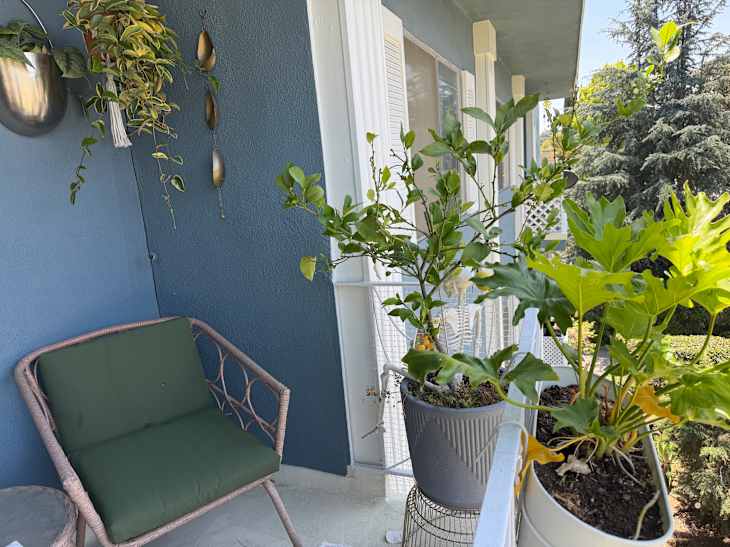
Growing up in Los Angeles meant I was surrounded by citrus trees when I was a kid — and the sour-yet-slightly-sweet fruits led me to a lifelong love of gardening. As a child, I loved tending to my grandparents’ grapefruit plants and picking neon-green limes from a tree in my backyard. So when I recently moved back to Southern California after a stint in New York City, I knew I needed a citrus tree of my own.
Like several plants associated with Southern California (including palm trees!), citrus trees are not actually native to the area. They’ve managed to thrive here since before the signing of the Declaration of Independence, and almost 100 years before California became the 31st state. Depending on the time of year, you can spot these bright-tasting fruits peeking out of the shrubbery in expansive groves along SoCal highways, in city parks, on hiking trails, in neighbors’ backyards, and on my balcony in South Pasadena.
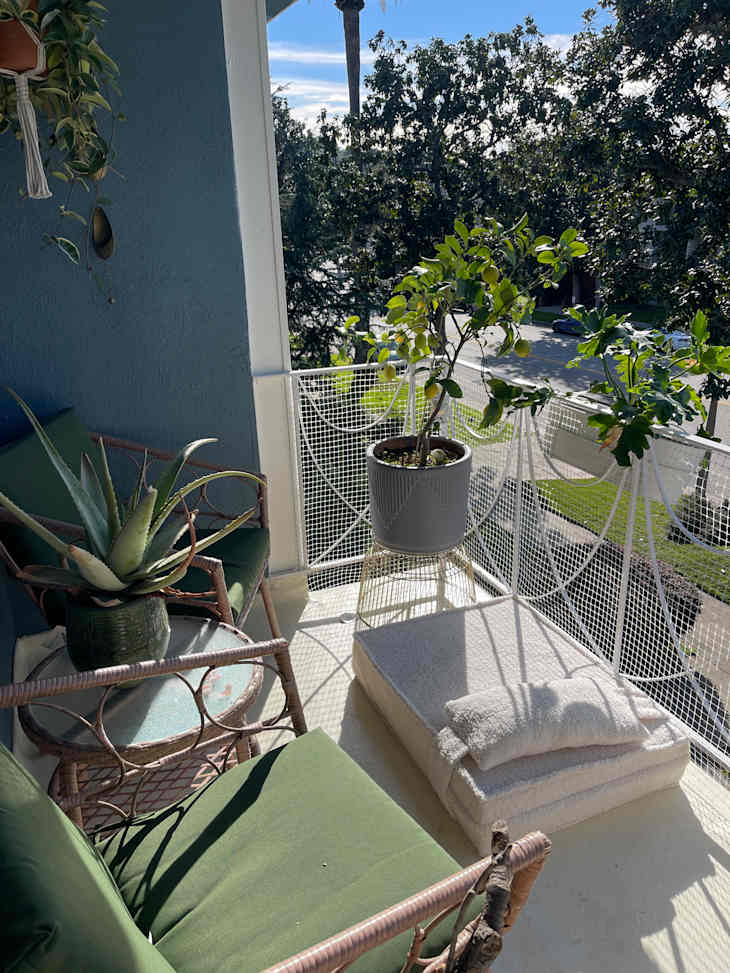
But creating that lush escape wasn’t easy: My apartment’s only outdoor space is a concrete-coated balcony, three stories up from any soil.
“When one thinks of a citrus tree, they might picture something large and shade-providing, rather than what we can grow in a container,” says Kaitlin Mitchell, gardening pro and founder of Rutabaga Tools, where she specializes in plant growth education. “However, if you have a sunny spot that can accommodate a 12- to 18-inch-in-diameter pot, you can start to picture your own potted tree that provides enough fruit for yourself and to share.”
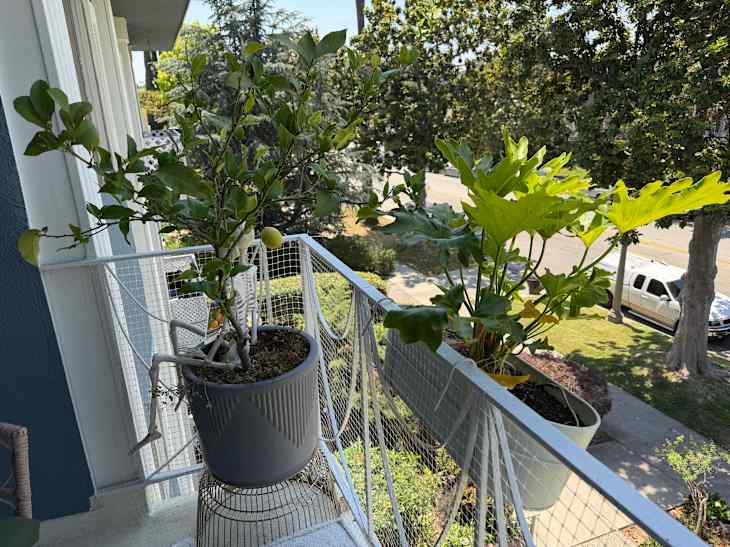
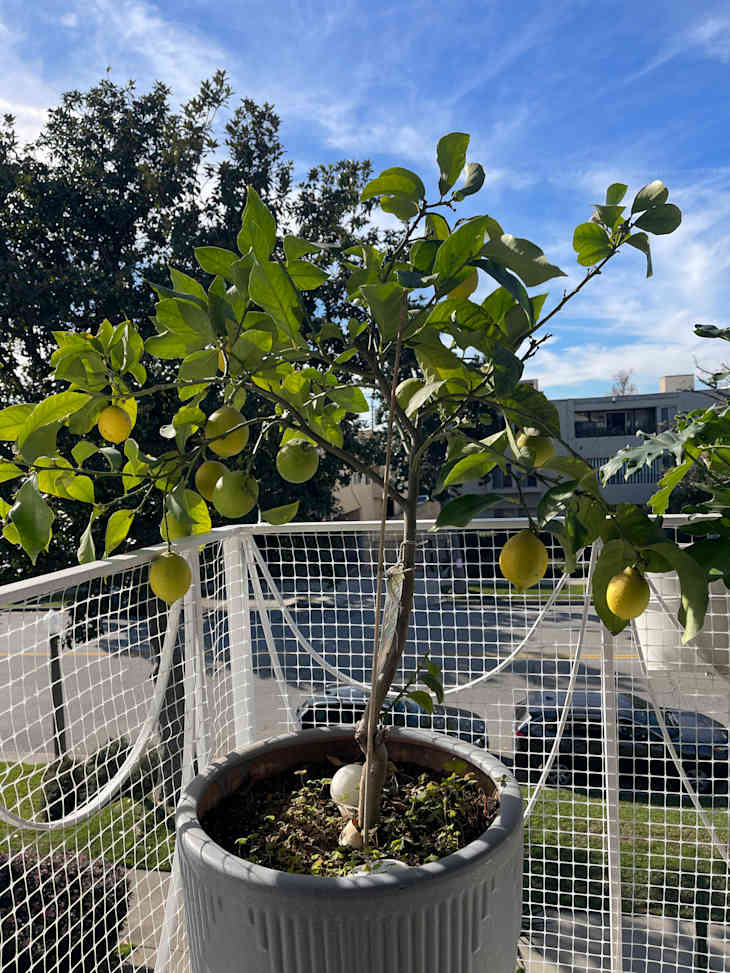
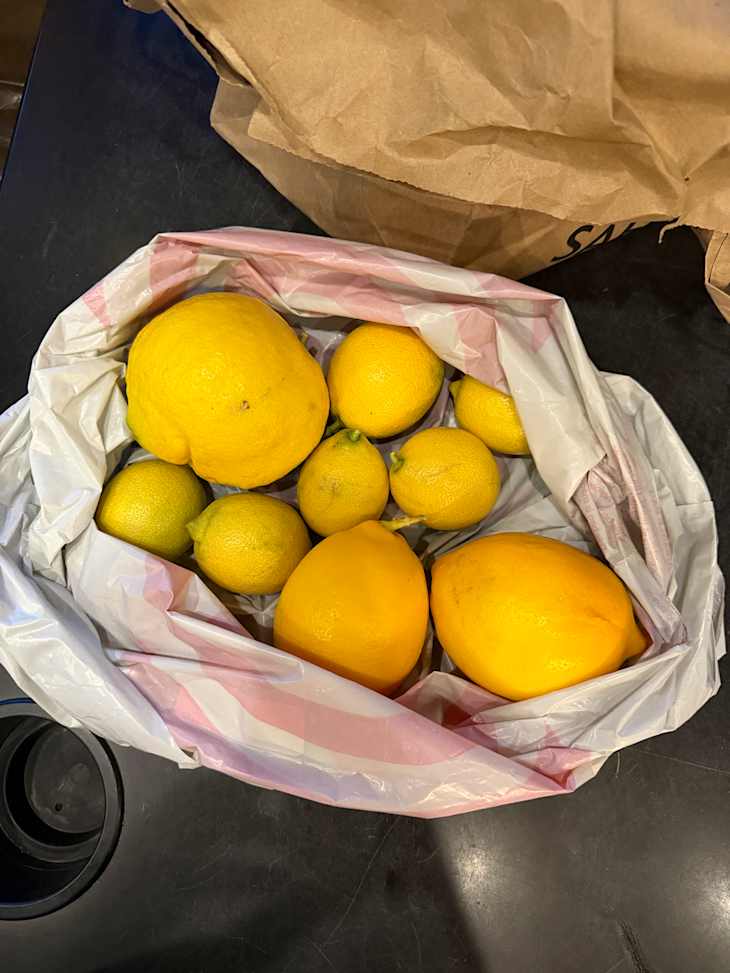
Upon learning that lemon trees come in a few sizes — including those that are meant to stay miniature — I marched over to the local nursery to pick one up, along with a giant pot and a petite bag of soil. Four years later, my teeny-tiny tree produces up to 17 lemons per year with very little effort.
5 Ways I Keep My Lemon Tree Thriving All Year Long
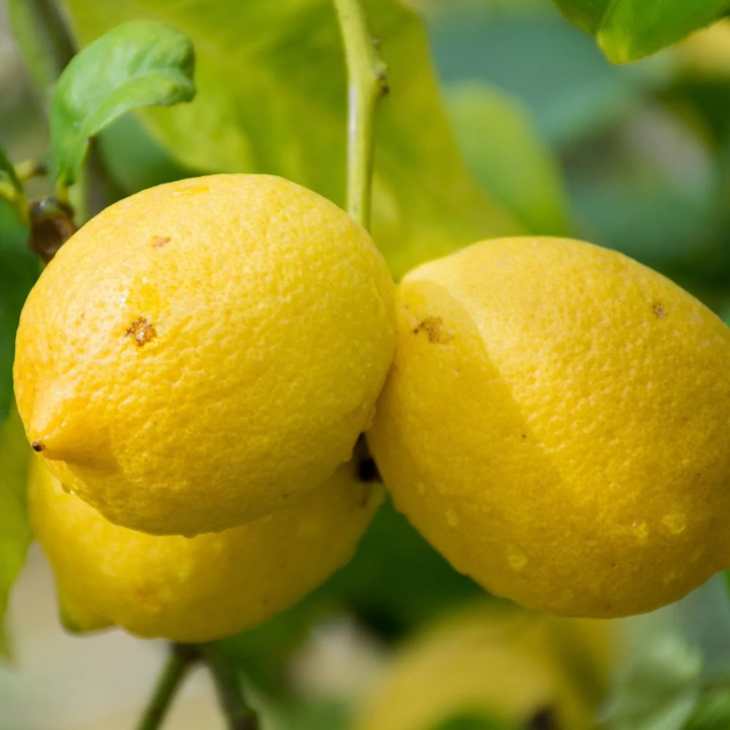
My lemon tree is of the Eureka variety, which is the classic, ultra-tart lemon we all know and love to mix into cocktails, squeeze into tea, and make pastries from. However, you can also find miniature Meyer lemon trees available for purchase online — and they’re just as fool-proof.
While I’m known for my green thumb, my lemon tree is one of the most low-maintenance plants in my collection. Here’s how I make sure it thrives year-round.
Start with a Small Variety
The secret to lemon tree success is to start with the right one. Mitchell says to “choose a variety that prefers to stay on the smaller side,” such as a dwarf or semi-dwarf. These are great as potted plants because they grow more slowly and have a root system that can withstand a more compact space.
Balance Your Soil
When transferring your tree to its pot, Mitchell says to use well-draining and balanced potting soil. “Look for macronutrients NPK, as well as the important micronutrients, calcium, iron, and zinc,” she explains, adding that citrus trees also like a slightly acidic soil, and when things are too alkaline, the tree “has more difficulty absorbing those key nutrients.”
Fertilize with “Plant Tea”
After I repotted my tree and found a sunny spot for it on my balcony, I began making a DIY plant fertilizer that I swear is the secret to how my plants stay so healthy. I call it “plant tea,” and it’s super simple to make.
Steep 1 tablespoon of oats and 1 black tea bag (usually English Breakfast or Earl Grey — whatever I have on hand) in 2 cups of boiling water for 1 hour, then let the water cool to room temperature. Once it’s at room temperature, add 2 cups of tap water to the tea for an equal parts mixture and pour it directly into the soil. I fertilize my fruit tree twice a year with this tea — usually at the start of spring and somewhere between mid- to late-summer.
This fertilizer works well because tea has nitrogen, an essential nutrient for plants. Oats also have nitrogen in addition to other plant-benefiting nutrients like phosphorus for root growth and potassium for water management and overall plant health.
Ensure Your Tree Gets Plenty of Sunlight
Citrus trees (including lemon trees) thrive in warm, sunny climates (which is why they work so well in Southern California), so opt for a warm, sunny spot on a balcony, stoop, or patio area.
According to Mitchell, a potted lemon tree can handle the occasional temperature drop — but if it falls below 40 degrees Fahrenheit, you’ll want to bring it indoors. Because I am in Los Angeles, where it rarely dips that low, I haven’t had to bring my plant inside; but if you do, Mitchell says to place it in an area with ample natural light. And if you don’t have enough light (especially during those grim winter months), an artificial UV light “can also support the plant’s photosynthetic activity,” she adds.
Get on the Right Watering Schedule
Establishing a watering schedule can also help your tree thrive — although I will admit that I don’t give mine a ton of thought. The key is to replenish moisture while also avoiding overwatering. In the warmer months, I usually water my potted lemon tree three times per week with 1 liter of water, and in the winter it’s closer to once every 7 to 10 days, depending on when I remember.
Why Lemon Trees Are Easier to Care For Than You’d Think
It’s also a genuinely beautiful plant; it adds so much natural lushness to my otherwise sterile concrete patio. Plus, I love harvesting all of the delicious fruit it bears. It’s a win-win-win.
Aside from that, the only thing you need to be concerned about is maintaining its size. I’ve had my tree for four years, and it’s maybe grown five inches — so growth comes slowly and with time. However, Mitchell tells me dwarf and semi-dwarf trees can potentially grow up to eight feet tall, so you want to keep the size in check by pruning.
“To keep your plant more compact, use clean pruners to trim long, leggy branches and promote side growth,” she advises. “And, while you’re got those pruners out, trim a few branches near the trunk of the tree to promote airflow and prevent small space moisture-loving mold.”
You can also use pruners to shape your lemon tree into a sphere, which is next on my to-do list this summer. It’s definitely more of a horticultural aesthetic, but the design may also optimize how much light exposure it’s getting. That’s style with true function!
Design Defined
Never miss the style inspo and recommendations you crave with Design Defined. Follow along each week as our Home Director Danielle shares the best style advice, latest trends, and popular decor finds you just can't miss.