
This Trick Stops Me from Impulse Buying at Thrift Stores, and Now I Use It Everywhere
It can be easy for me to get swept up by the wonder and whimsy of a thrift store. There’s so much stuff to dig through and so many unique items that can be tempting to bring home, especially when the thrift store has just restocked. I used to struggle with decision fatigue in the store and often left feeling guilty — sometimes I’d feel guilty for not buying something or I’d feel guilty for buying it.
I love to thrift, so I knew something needed to shift. One day at the thrift store, I came up with a method that I like to call the “future home” method. It helped me get out of the cycle of stress and guilt, and it’s honestly something that has changed the way I shop everywhere, not just the thrift store. Here’s how the method works and my latest success story using it.
What Is the “Future Home” Method?
There are so many “nice” items in thrift stores: mugs, artwork, decor, kitchen gadgets. But the future home method encourages me to raise the bar beyond just “liking” something. Instead of saying to myself, impulsively in the moment, “Oh, I like this, add to cart,” I instead pause as I see something and ask myself a question. “Is this something I like enough to bring into my future home?” If you’re a renter like me, it’s helpful to think about it this way — it helps you really ask yourself if you like (or need) the find so badly that you would move it from one apartment to the next. Or, that you like it so much that you would only look for a future space that would fit what’s in your cart. If the answer to either question is no, then you don’t need it in your current home, either. Or at least that’s the idea.
Doing this helps to create a buffer between grabbing the item and putting it in my cart, allowing me time to ponder whether I just like the item in the moment or truly believe it is something that would remain a part of the bigger picture. If you already live in your forever house, the method still works; instead, you can ask yourself whether the item is worthy of being in your space long-term.

How I Use the “Future Home” Method to Edit My Shopping Cart
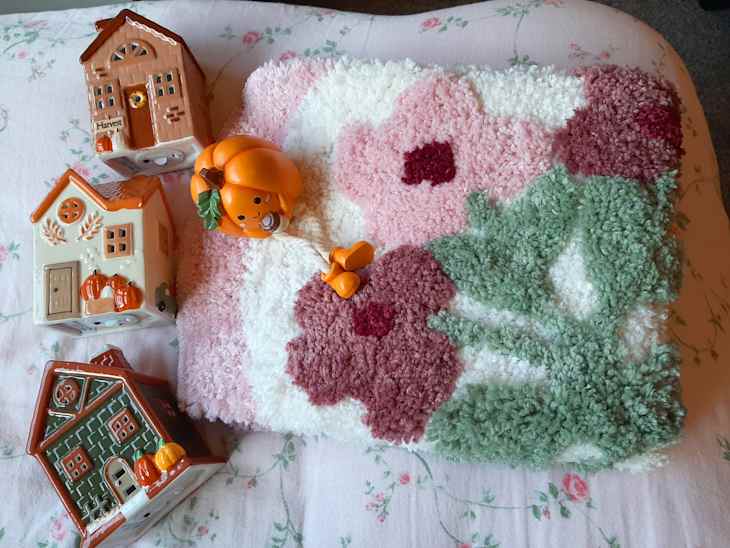
I walked into the post office earlier this week, and couldn’t help but go to a thrift store on the way home. I was instantly excited to see that the decor section of the shop had started to fill up with some fall finds, and that same excitement began to cloud my judgement. I started picking up so many things that I questioned internally whether I should go and get a basket, but instead of heading to the door to scoop one up, I paused and asked myself to re-evaluate the items I was holding. In my hands and tucked under my arms I had a pumpkin pillow, three fall-themed house ornaments, a box set of pumpkin ornaments, an individual pumpkin ornament, a blanket, and a bath mat.
Did I really need all that? No. If I hadn’t popped into the store, I wouldn’t have even known that those items existed. So I went through the items one by one and asked myself whether I could see them being part of my future home. The pumpkin pillow was cute but I knew I didn’t need another one so I put it back on the shelf. The same thought led to returning the blanket, and after more thought I returned the box set of pumpkin ornaments to the shelf, since I already owned some that I liked more.

The “Future Home” Method Helps Me Buy Things I Actually Like and Will Keep Forever
I ended up purchasing the trio of fall house ornaments, the individual pumpkin, and the bath mat. I’ve dreamed of having a little Christmas village in my future home for as long as I can remember, so as someone who longs for that and also adores fall, I felt so happy when I found the houses. The individual pumpkin ornament made me smile as it’s cradling a cup of hot chocolate which is my favorite cozy season drink; plus, it’s small and will already fit in with my existing decor storage. I also bought the bath mat because my current one is looking worse for the wear, so the new one will be a direct replacement.
It felt so nice coming home and genuinely liking — and having a legitimate use for — the items I bought. Taking those extra moments to avoid impulse buying has so many perks from avoiding guilt to saving money and space. But one of my favorite positive outcomes from the future home method is how I end up adoring what I do bring into my life so much more, because I’ve put more thought into it.