
I Stopped Being Bored at Home with My “Hobby Menu”
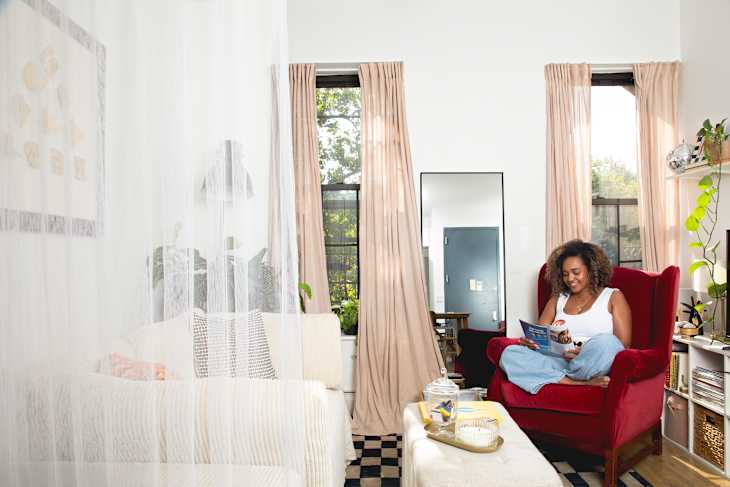
Be honest: How many times have you been bored at home but, because you couldn’t think of what to do, ended up doomscrolling? For me, I have to admit it used to happen more often than not. I have plenty of hobbies and things I enjoy doing, but when it came to deciding how to spend my time, I’d find myself stuck in a decision paralysis cycle and end up back on my phone.
As someone with ADHD, having too many options can lead to not choosing one at all. That’s when I realized having a list of ready-to-go ideas could take some of the decision-making out of the equation. That’s how I came up with my “hobby menu” — and it’s been a game-changer for whenever I’m bored but want to avoid mindlessly scrolling my phone.

What Is a Hobby Menu?
Think of it like a restaurant menu, but instead of choosing what to eat, you choose how to spend your time. From quick activities I can squeeze into 15 minutes to bigger creative projects and weekend adventures, a hobby menu gives me a handy reference for when boredom strikes, indecisiveness hits, or I’m simply looking for something to do beyond scrolling on my phone. It’s also very similar to a “dopamine menu,” in which you have a list of go-to activities you can turn to throughout the day to help boost your mood, motivation, and enjoyment.
Much like a menu you get at an actual restaurant, everything on your hobby menu is separated into different categories: “appetizers” (activities that don’t take too long), “entrées” (for when you have a little more time), “sides” (smaller activities that complement your day), “desserts” (activities for pure enjoyment), and “specials” (activities that may require a little more time and planning or are more of a one-off treat).

How I Use a Hobby Menu
I started by dividing my menu into five sections: Appetizers, Entrées, Sides, Desserts, and Specials. From there, each one offers activities suited to different amounts of time and energy, so I can pick something that works for the moment. Within those sections, I grouped activities into further sub-categories: Productive, Creative, Home, Fitness and Self-Care, Cozy, and Outdoors. These aren’t rigid rules; not every category needs to appear in each section, and sometimes there’s overlap.
For example, if I have a little time and want to feel productive I might organize a drawer. If I’d rather relax before my next appointment, continuing a crochet project or picking up the guitar gives me a creative outlet. For something a little different, the Specials section is where I keep bigger ideas like exploring a new neighborhood or taking a day trip. The menu is completely customizable, so you can fill it with the activities you actually enjoy or want to try.

Why Hobby Menus Are Useful to Have on Hand
For me, the biggest benefit is having options ready before I need them. Instead of trying to think of something to do when I’m already bored or overwhelmed, I can simply refer to my menu and choose what appeals to me at that moment.
It’s also a reminder that not every activity needs to be productive or have a purpose. Sometimes I want to work on a DIY project, sometimes a walk is a good choice, and sometimes a movie on the couch is where I want to be. The point isn’t to necessarily fill every spare minute, but to make it easier to fill at times when you do.