
How to Create a Butterfly Garden to Attract the Prettiest Winged Pollinators
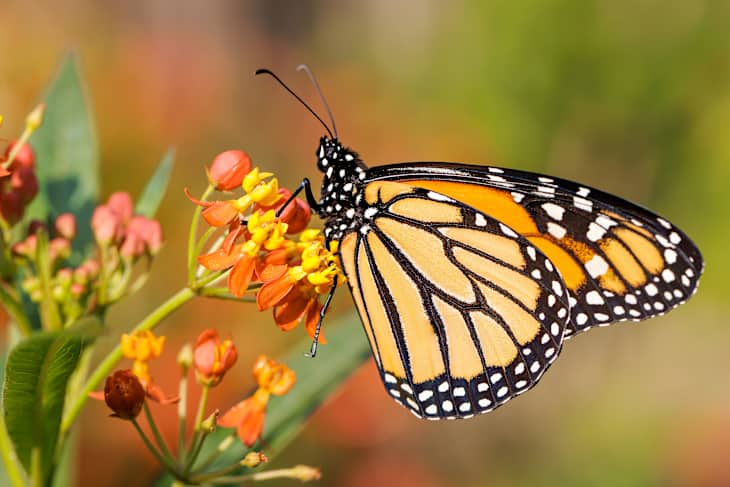
Butterfly gardens are all the rage right now in the gardening world, and there’s a good reason for it. Beyond attracting beautiful winged pollinators to your yard, butterfly gardens provide essential food and habitat for butterflies at every stage of life and help to offset the habitat loss many species face today. And while planting a few bright blooms is a great start, creating a butterfly garden that’s truly successful goes beyond flowers, incorporating host plants, nectar sources, sunlight, shelter, and water to create a space butterflies will return to again and again.
Whether you’re working with a sprawling backyard or a small garden bed, building a butterfly-friendly landscape is both approachable and rewarding. With a little planning — and a focus on plants and features suited to your region — you can create a vibrant, ever-changing garden.
Here’s everything you need to know about how to create a butterfly garden that’s just as successful as it is beautiful, according to gardening pros.
What Is a Butterfly Garden?
Butterfly gardens are designed to attract and support butterflies throughout their entire life cycle — from egg to flight. They often include a variety of native plants, nectar-rich flowers, and “host plants” for caterpillars to feed on. Essentially, they are designed to help replace some of the habitat loss that many native butterflies are currently facing. As such, the best butterfly gardens take more than just plants into account. Shelter, water, pesticides, and sunlight are also key considerations that can take your butterfly garden from a 1-star pollinator motel to a 5-star all-inclusive resort.
“A truly butterfly-friendly garden is one where the full life cycle can happen safely,” says Tabar Gifford, a certified master gardener, National Garden Bureau member, and Partnership Cultivator at American Meadows.
Naturally, not all butterfly gardens can be created the same. Regional differences will influence how you build your “ideal” butterfly garden. For example, gardeners in the Northwest will need to use different plants than gardeners in the Southeast due to differences in climate, bloom times, and butterfly species native to the area. However, regardless of the region, successful butterfly gardens all share a few common characteristics.

How to Build a Butterfly Garden
According to Gifford, successful butterfly gardens, regardless of region, start with three basic building blocks:
- Host plants for caterpillars.
- Nectar plants for adult butterflies.
- Continuous bloom from spring until fall.
Once you understand this framework, do some research about the types of butterflies in your region and the plants they need to survive. “Butterflies are very specific about the plants they use. Many species will only lay their eggs on certain host plants, and if those plants aren’t present, they simply won’t stay,” Gifford says. While some butterflies show up across most of the country — think monarchs, swallowtails, and painted ladies — others are more region-specific.
Where you plant your butterfly garden matters, too. Butterflies are cold-blooded and require plenty of sunlight for thermoregulation, so a bright, sunny location is necessary — for the flowers and the insects themselves. A water source, such as a dish with rocks to allow for safe landing or a shallow water feature, is also important. Large, flat rocks placed nearby can also offer a safe area for butterflies to sunbathe.
Gardening experts also agree that choosing a location with adequate shelter from the wind is an important, often overlooked consideration. This could mean picking a spot next to a fence or near trees or bushes. Not only will these locations offer some shelter, but they’ll also provide additional landing areas for the butterflies, birds, and other pollinators attracted to your garden.
One last recommendation from Gifford as you plan your butterfly garden is to plant your flowers in clusters rather than scattering individual plants. “Grouping the same species together makes it much easier for butterflies to locate nectar sources — and it tends to create a more visually impactful garden as well,” she says.

The Best Flowers to Start a Butterfly Garden
The best flowers to start a butterfly garden will vary slightly by region, which is why the research and planning stage is so important.
“You want a resource that’s very local to you to get the best recommendations for butterflies in your area. For example, many university extension services provide great information on this topic,” says Anna McLafferty, owner of Hothouse Horticulture, a garden designer in St. Paul, Minnesota specializing in restorative practices, edible gardens, and native plants.
Flowers are, undoubtedly, a staple in butterfly gardens, but they’re also not the only option. McLafferty explains that trees are often ignored as people plan their butterfly gardens — but they can be just as beneficial as blooms. “Where I live, in St. Paul, Minnesota, the bur oak is a keystone species that supports over 300 different species of pollinators! Most aren’t butterflies, but I find that number so exciting,” she says. In addition, trees can provide an additional soft landing for pollinators eager to visit your garden. So don’t discount the power of a few nearby trees or woody shrubs!
While there is definitely some overlap in the flowers that can be grown in butterfly gardens across the country, choosing plants that are well-adapted to your region makes a big difference in the overall health and success of your garden. Gifford broke down her top starter plants by region for me.

Northeast and Midwest
In the Northeast and Midwest, gardeners have cold winters and short growing seasons to deal with. These regions loosely consist of growing zones 3 through 7, and Gifford says she always recommends focusing on cold-hardy perennials that can handle winter and come back strong in the spring. Her top picks include:
- Milkweed
- Coneflower
- Black-eyed Susan
- Blazing star
- Bee balm
South
In the South, plants need to be able to withstand the heat, but gardeners benefit from a longer growing season. If you live in the Southern states, Gifford suggests focusing on the following plants when starting your butterfly garden. These flowers offer long-lasting blooms and consistent nectar throughout the heat of summer.
- Milkweed (especially swamp and tropical varieties)
- Zinnias
- Pentas
- Coreopsis
- Verbena
Mid-Atlantic and Southeast
The Mid-Atlantic and Southeast are defined by hot summers, cold winters, and plenty of moisture. Gifford says choosing hardy native plants and reliable perennials is always her go-to for these regions. Her top picks include the following:
- Joe Pye weed
- Phlox
- Asters
- Goldenrod
West
In the West, drought-tolerant gardening is essential to success. Gardeners experience high temperatures, periods of drought, and dry conditions. Working with the environment and choosing drought-tolerant and native species is key to a thriving, sustainable butterfly garden. Gifford points to the following plants:
- California poppy
- Yarrow
- Penstemon
- Blanket flower
- Lupine

Although Gifford only named milkweed specifically for a few regions, it’s a good plant to consider wherever you live. Butterfly milkweed (Asclepias tuberosa), common milkweed (Ascelpias syriaca), and swamp milkweed (Asclepias incarnata) grow well in nearly every region across the United States, are an essential food source and habitat for the monarch butterfly, and attract many other species of butterflies and beneficial pollinators as well. So, if you’re hoping to attract the iconic orange and black monarch butterfly to your garden, milkweed should definitely be on the top of your priority list!
The best part about a well-designed butterfly garden is that you’ll attract more than just butterflies. Other pollinators (hello, bees!), birds, insects, and other wildlife will all gravitate towards a garden designed with sustainability and the native ecosystem in mind. And it’s that diversity that will show you just how successful your garden really is!
Check out Yard Therapy for all the outdoor area inspiration you need this spring, with landscaping tips and hacks for making even the smallest spaces shine. This content was presented by a sponsor; it was created independently by our editorial team.