
The Cozy Prewar Seating Space I Wish Every Home Still Had (It’ll Transform Any Cramped Corner!)
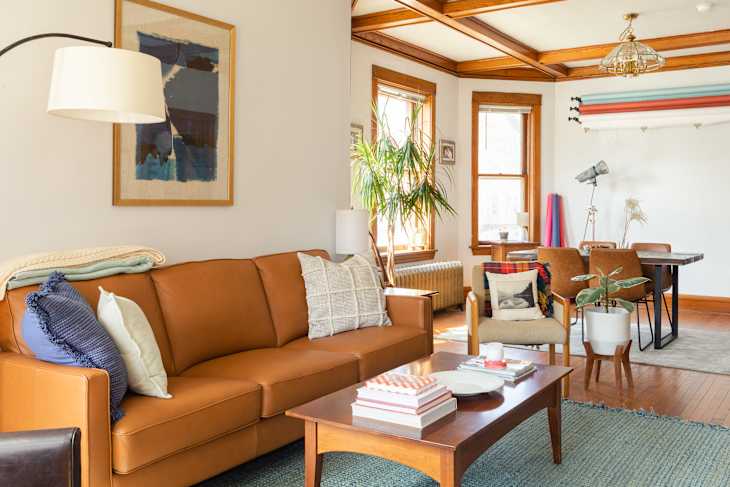
Have you ever been looking at a gorgeous vintage home on Zillow or Redfin and spotted a beautiful old window with a bench tucked underneath? Sometimes, those benches are more than just seating areas — they’re actually radiator benches.
They’re a dream home feature of mine, but they’re not common in North Texas (and even less so in newer-build homes). So I thought I’d ask real estate professionals everything about them: where they are, whether or not homebuyers want to preserve them, and if I can ever dream of living in a home with one myself. Here’s what they said.

What Is a Radiator Bench?
Designer and founder Annie Kantor of Modern Metal puts it in plain terms: “Radiator benches are practical furniture that combine heating, seating, and sometimes storage. [They’re] made to fit over or around a radiator, turning that usually wasted space, like under a window, into something both useful and nice to look at.”
Where Are Radiator Benches Popular?
When I think of radiator benches, I imagine them in Victorian homes in San Francisco, bungalows in small towns in the Midwest, and apartments in New York City — the really old ones, where radiator heating is still being used and you might still see original parquet wood flooring. Pre-war buildings still running steam/hydronic heat help explain why you spot them so often.
From the trade side, Kantor sees them nationwide. “We have installed [them] from South Carolina all the way to California, so [the regional popularity] really varies!”
Still, HVAC pro Eli Zimmer, director of operations at Luxaire HVAC Services, notes that they still reign supreme in one region over all. “Radiator benches are a lot more common in the Northeastern U.S. than virtually any other area in the country.”
Do Homebuyers Want Radiator Benches?
For the most part, radiator benches went the way of ornate details as minimal, homogenized finishes took over. But for traditionalists, preservationists, renovators, and restorers, or anyone willing to embrace built-in character, heating-plus-seating still creates a place to perch — a cozy nook instead of a blank wall under a window or a pass-through in a kitchen or hallway.
Kantor sees the perception flip all the time: “At first, buyers often see existing radiators or heat vents as a negative.” Zimmer adds that while “people usually don’t feel too strongly one way or another about them … they do have a charming, practical appeal.” So it’s hard to say whether or not they’re associated with lesser or greater value in a home.
If you’re in a region where pre-war homes are coveted or regular, like in the Northeast, radiator benches might add character and charm to a listing — but if you’re somewhere that rarely gets below 60 degrees, you might want to do away with the radiators for more low-key heating.
The Resurgence of Radiator Benches
These were common in Victorian and Edwardian homes before central heating was widely affordable or consistently safe. As technologies shifted, many benches were covered (hiding ornate details) or removed. In buildings that still rely on legacy steam/hydronic systems, sometimes said heat can be, well, too hot.
Then modern alternatives, like heat-pump mini-splits, added safer, more controllable comfort to older homes. Today’s best revivals of radiator benches keep the look of the bench while improving airflow and access to the radiator itself.
What to Do with Your Radiator Bench if You Have One
Kantor keeps it simple. “Comfort and safety are definitely priorities when designing around a radiator.” Kantor designs radiator benches, and says they’re “perfectly safe to sit on, especially when paired with a cushion.”
Safety is paramount — combustion risks and hot surfaces aren’t a joke. When buying a radiator bench, prioritize ventilation and access. Poor ventilation helped push older setups out of favor; modern systems deliver safer, more thorough heating. What you (or what future homeowners) want in winter is comfort and to avoid issues like burst pipes.
Zimmer is blunt about scope, “If you are wanting to create a radiator bench, this is a project you should absolutely hire an expert for rather than taking a DIY approach.”
If you’re looking to zhuzh up a radiator bench before you list your home — or are determined to make the one in the home you’re buying work — there are a number of smart upgrades to consider, Kantor says, “like perforated grilles or custom panels.”
Depending on your needs and traffic patterns, an exposed radiator or a simple cabinet might be right for high-activity areas — but if the unit runs hot, cover it so people (and pets) don’t get burned. Unless a space is very narrow, a radiator bench belongs under a window.
Even without a perfect view, the combination of sunlight and a comfy seat is an instant reset for me on a dreary day. The next time you pull on fuzzy socks and pour cocoa, tea, or coffee before you read, write, or cue up a favorite song, consider a radiator bench. If your home doesn’t have one, borrow a friend’s warm window perch every so often.