
After 7+ Years of Pro Gardening, I Always Plant These 4 Flowers (and Skip These 3!)
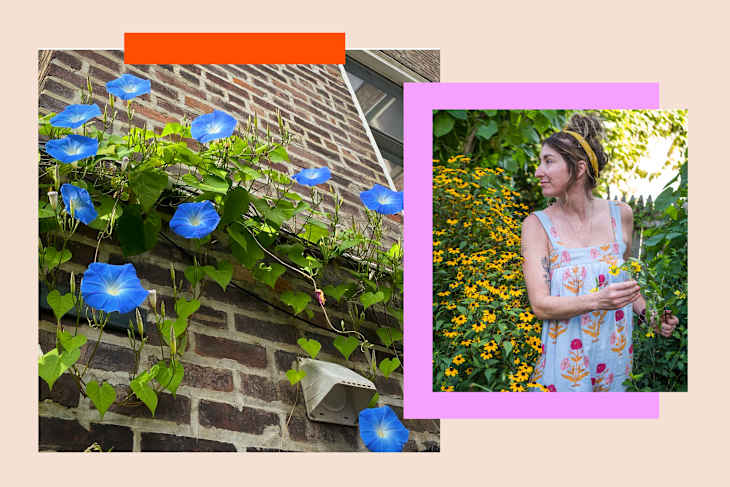
I spend a lot of time thinking about plants — and not just for fun. I’m a trained horticulturist and garden designer, and my job is to help those in urban homes transform their stoops, balconies, and backyards into gardens they feel confident maintaining on their own. I studied at the Brooklyn Botanic Garden, hold a license as an NYC Street Tree Pruner (yes, I carry my I.D. card in my wallet!), and have spent years in plant care education.
One thing I drill into every client (really, anyone who will listen) is that the concept of a “green thumb” is a myth. No one is so magical that plants automatically thrive in their presence. It’s all about learning, observing, and paying attention to your conditions. Ninety-nine percent of the time, the issue isn’t that you’re bad with plants — it’s that you have the wrong plant for the space at hand.
The key to any successful garden is matching plants to your actual lifestyle, light, and soil conditions. Some plants are remarkably hardy; they practically thrive on neglect (seriously!). I love that these plants often work harder for a wider range of gardens, as they’re low-maintenance, high-reward, and adaptable across different types of gardens. I wholeheartedly recommend them to a majority of the clients I work with.
But just as there are hardy plants and flowers, there are also a few that feel more finicky — and I always steer new gardeners away from these picks, too. Follow along as I share more information on both, plus tips for planting them this season.

4 Gorgeous Plants That Are Reliably Low-Maintenance
These plants earn their place in my gardens by looking beautiful and refusing to quit. From hardy blooms to reliable greenery, these foolproof favorites make it easy to cultivate a lush, colorful space without constant upkeep.
Brown-eyed Susan (Rudbeckia triloba)
Brown-eyed Susans (seen above) are the less-famous cousin of black-eyed Susans, although they definitely deserve at least equal billing. While black-eyed Susans grow as a single flower on a long stem, brown-eyed Susans form a shrubby, branching plant that produces hundreds of smaller blooms on airy stems — more wildflower meadow than classic perennial border.
The one- to two-inch golden-yellow flowers with chocolate-brown centers bloom from July well into the fall. They’re cheerful and unfussy, and do great in the ground or in containers.
Another thing I love about brown-eyed Susans? They’re native to North America. There are two reasons to select native species when given the option: They’re better for the environment, and easier to care for.
I’ve witnessed all sorts of bees and butterflies enjoying them in my garden, and their seedheads feed birds throughout the winter. As for them being easier to care for, native plants are generally hardier than non-natives because they’ve adapted to their environment over centuries. Once established, these gorgeous flowers are drought-tolerant — and don’t require any special treatment.
Cosmos (Cosmos bipinnatus)
Cosmos are the first plant I recommend to any client who wants to try growing flowers from seed. These annuals grow fast, bloom prolifically, and are hard to kill. Available in a variety of colors, cosmos bring color, charm, and pollinators to even the poorest soils. You’ll notice them thriving along the side of the road, in city street tree beds, and other places that aren’t exactly known for their pristine conditions.
If you spring for these bright flowers, plant the seeds directly in soil — no special prep or starting indoors required. Cosmos love heat and would much rather be bone dry than water logged, so they’re great choices for people who travel a lot over the summer and can’t make watering a priority. Cosmos make excellent cut flowers. In fact, like most flowers, the more you cut, the more you’ll encourage new blooms.

Pink muhly grass (Muhlenbergia capillaris)
Good garden design includes a mix of plant types (flowers, evergreens, grasses, trees), and pink muhly grass is at the top of my list of favorite grasses — full stop. It’s one of the first plants I recommend to any client with a sunny outdoor space.
Fall is when pink muhly really shines. Starting around September, this native perennial erupts into billowing clouds of cotton-candy-pink plumes that stop people in their tracks. The rest of the year, it holds its own as a tidy mound of fine, arching green foliage. Long-lived and deer-resistant, this is one of the best low-maintenance ornamental grasses you can plant. It’s also a native perennial, which means it’s adapted to our environment, returns year after year, and supports local wildlife. Plant it in full sun, give it decent drainage, and mostly leave it alone.

Yarrow (Achillea millefolium)
Yarrow punches above its weight — especially in the urban gardens I create for my clients. It’s unfussy and long-blooming, and does fine in almost any kind of soil conditions.
A native North American perennial, it’s drought-tolerant, pollinators love it, and it’s suitable to plant both in the ground or in containers. Native versions feature yellow-ish white, flat-topped blooms on top of airy, leafy stems, and their foliage is almost fern-like and soft to the touch (very unique and lovely to look at!). Hybrid cultivars come in yellows, pinks, reds, and more (foliage on the cultivars is often more structural and defined).
One caveat: Some of the true natives spread quickly, so they’ll need to be divided every few years to stay manageable. But given how forgiving they are in every other area, that’s a minor ask.

3 Plants I’d Never Recommend to a First-Time Gardening Client
Foliage can look stunning at the garden center, but seasoned gardeners know not every bloom is worth the battle. High-maintenance plants that demand precise watering, constant pruning, or near-perfect growing conditions are the ones I steer clear of to avoid wasting my clients’ time, money, and frustration in the long run.

Borage & Morning Glory
Both of these plants are gorgeous. And yet both will haunt you if you plant them without knowing what you’re getting into. I get why people love them! Borage has beautiful, star-shaped blue flowers (they’re edible and are great in cocktails), whereas the morning glory’s vibrant trumpet-shaped blooms in purple, pink, and blue are genuinely stunning when climbing a fence or trellis.
The problem is that they’re relentless self-seeders. Plant either one, and you’ll spend the next several seasons pulling volunteers (uninvited new plants that grow from seeds dropped the prior season) out of every corner of your garden — especially from places you didn’t intend.
Morning glories will climb over anything in their path if you don’t catch them early, creating a mess of vines that can go from lovely to ugly seemingly overnight. Borage will plant babies everywhere, always, and they can grow quite large, outcompeting other plants.
If you have a large in-ground garden and don’t mind a little chaos, then you might not mind these vigorous spreaders. But for anyone working with a small urban space, or who wants a tidy, neat look, these picks’ charm wears off fast.

Trumpet vine (Campsis radicans)
I might get some heat for this, but I’m going to say it with my whole chest: Trumpet vine is not a plant for a newbie gardener. Yes, the flowers are stunning — big, showy, orange-red trumpets that hummingbirds absolutely lose their minds over. It’s technically a native, and in the right context (a large naturalized area, a sturdy fence far from anything precious), it’s genuinely spectacular. But unless you’re ready to micro-manage this vigorous, determined, hearty vine, it’s a hard pass.
Trumpet vine spreads by underground runners that are the most enduring roots I’ve seen. After the first season, it’s not unusual to find new plants popping up clear across the yard. They’re known to travel under pavement, sprout in seemingly uninhabitable places like under a deck, and crawl into your siding. Some gardeners call this plant an “enthusiastic” native; others refer to it as “Hellvine” and “Devil’s Shoestring.”
I’ve seen these plants take down wood fences and take over telephone poles and the wires they’re holding up. Beautiful? Yes. Worth it in a tight urban space? Almost never.

This same warning can be applied to a variety of other vines, including non-native wisteria, non-native honeysuckles (Lonicera japonica specifically), and some varieties of passion flower vine.
The Bottom Line
The throughline in everything I recommend comes back to the same questions I ask every client at the start: What is your space like, how much time do you want to dedicate to your garden, and what makes you happy?
The plants I’ve mentioned in the sections above almost always work for you because they meet you where you are — they’re generous and forgiving, and don’t ask for much in return. The plants I suggest avoiding work against you, no matter how pretty they are.
And in gardening, as in most things, working with your reality instead of fighting it is always the better strategy (I know, I know, easier said than done — but the garden is a great place to start). Happy planting!