
15 Easy Flowers to Plant from Seed That Are Perfect for Beginners or Impatient Gardeners
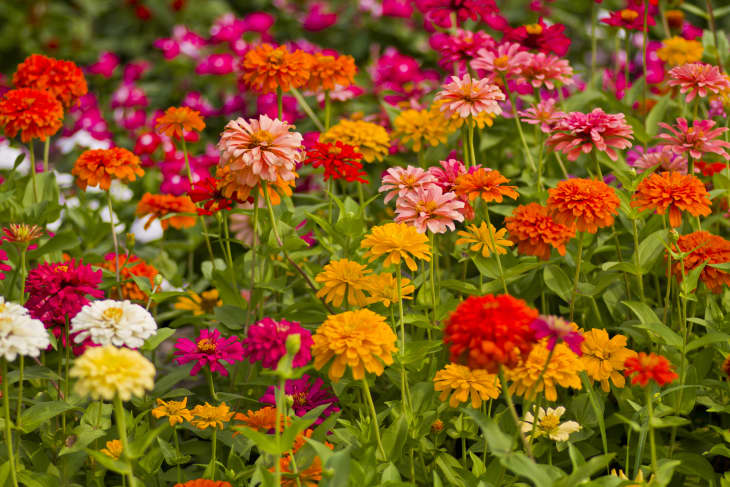
Instant gratification is not something generally associated with gardening. It requires patience to plant seeds, nurture them, and wait for their little buds to form, but that’s not to say that there’s no room for newbies or impatient people in the garden. In fact, there are a few easy and gorgeous flowers that can be grown from seed within 60 days.
According to Emily Round, the owner of Grounded Flower Farm in Beverly, Massachusetts, the key to getting seeds to successfully germinate, even if you know almost nothing, is to pay attention to the information provided to you on the back of the packet, since the preferences of individual plants can vary widely. Below, find 15 fast-growing flower seeds that are perfect for novice and impatient gardeners alike.
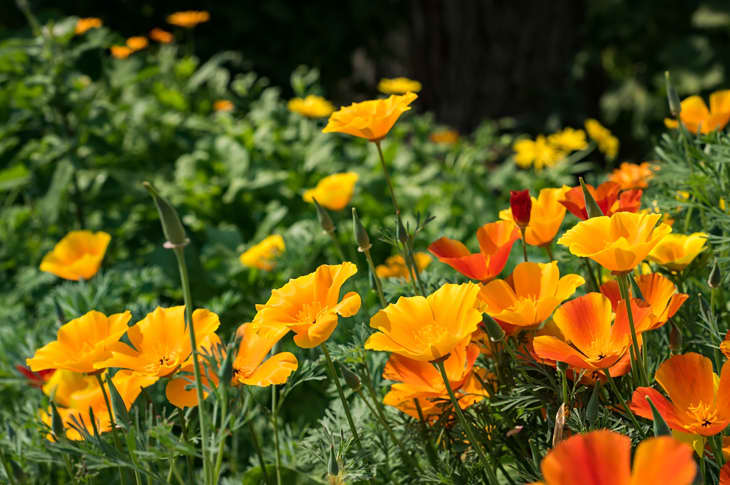
1. California Poppy
Known for their adaptability and resilience, California poppies are a favorite among gardeners of all skill levels. “They can thrive in various soil types and tolerate drought conditions,” says Blooming Secrets’ plant expert Susan Brandt.
The flowers sprout within two to three weeks and appear in hues of yellow, orange, red, and pink. This particular bloom’s perks are that it self-seeds and attracts pollinators to ensure an easy-to-maintain, healthy garden.
Time from seed to flower: California poppies can germinate in just two to three weeks, with blooms appearing in about two to three months.
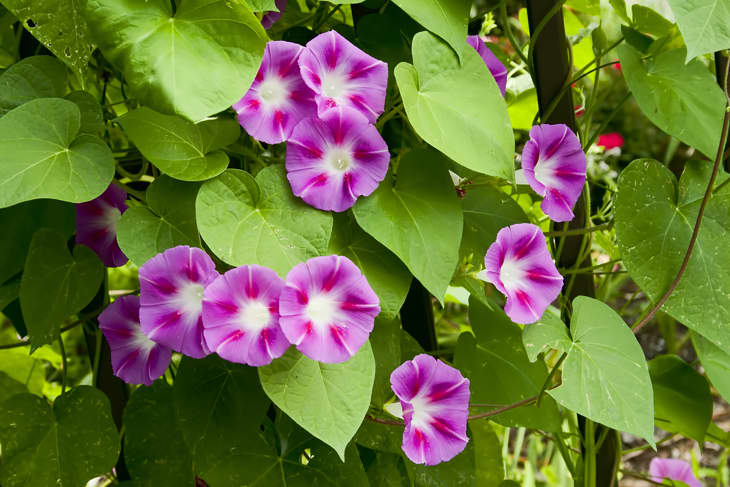
2. Morning Glory
As a true climbing plant, morning glories are often recognizable with their trumpet-shaped flowers that open in the morning and close at dusk, hence their name. “They can quickly cover trellises, fences, and other structures, offering a quick solution for vertical gardening or to add privacy,” says Brock Ingham, the owner of Bigger Garden.
Morning glories start to germinate within five to seven days, and blooms appear within four to six weeks. “Their rapid growth and ease of care quickly made them a favorite in my garden, especially when I’m looking to add a splash of color with minimal effort,” adds Ingham.
Time from seed to flower: Expect your trailing morning glory vines to germinate in about a month. Blooms will appear in three to four months.
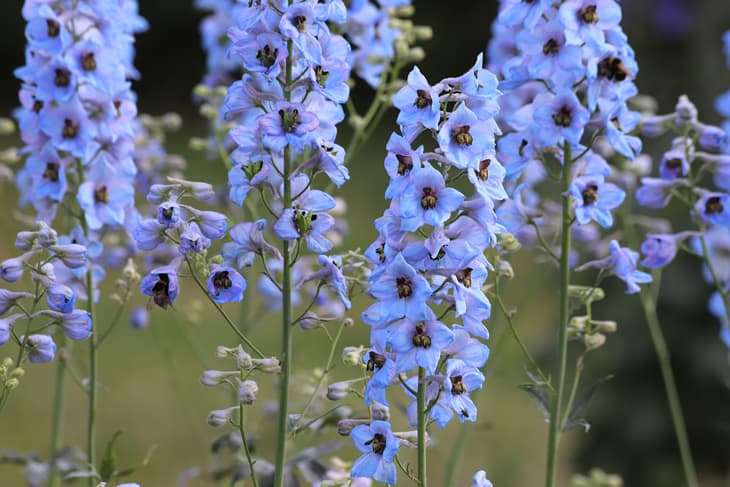
3. Larkspur
If you’re a fan of true blue flowers, like Costa Farms horticulturist Justin Hancock, larkspur delivers — although it also comes in white, purple, and pink tones if you crave other colors. Hancock notes that larkspur blooms about three months from planting the seed, and it’s the perfect flower to accent your garden. “Larkspur’s spiky, upright form adds vertical interest to the garden, attracting pollinators,” he adds.
Larkspur loves a sunny spot with well-draining soil to thrive. Bonus: Larkspur is on the list of flowers you can plant in April.
Time from seed to flower: Larkspur will germinate in two to three weeks. You’ll see flowers in about three months.
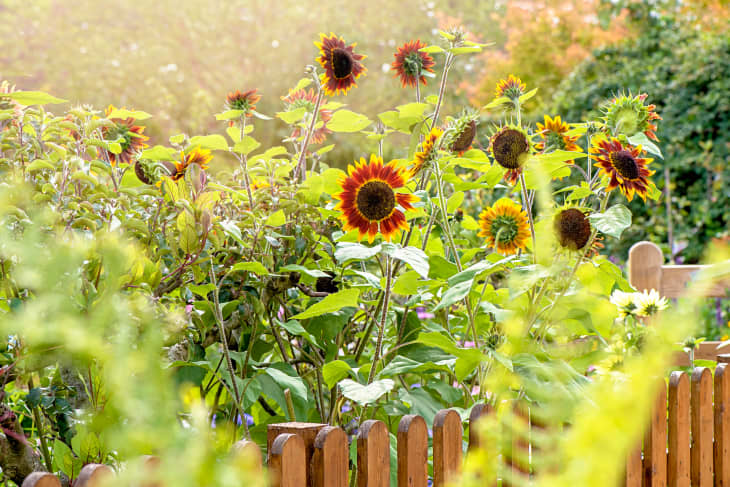
4. Sunflower
A summertime classic, the sunflower is a quick-growing flower with lots of impact due to its height and vibrant heads. “Sunflowers grow quickly and can reach 6 feet or more within three months,” says Jessica Mercer from Plant Addicts. “The seeds typically germinate in one to two weeks and are known to be fairly frost tolerant.”
For the fastest blooms, Mercer suggests choosing a dwarf variety, like Sunflower Choco Sun, which will flower anywhere from 10 to 13 weeks after the seed is planted.
Time from seed to flower: Sunflowers can germinate in one to two weeks. You’ll see blooms in under three months; over a growing season, sunflowers grow to 6 feet or more.
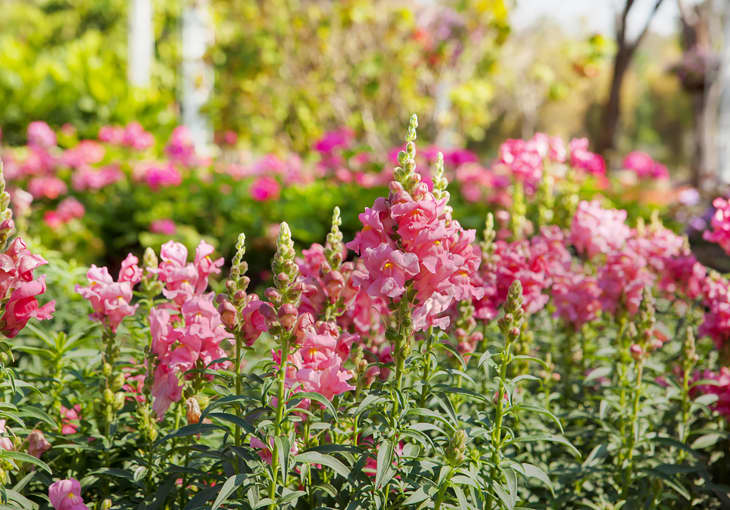
5. Snapdragon
With a fun variety of names like Candy Tops Red and Chantilly White, snapdragons make a perky and colorful addition to any garden. “In addition to their beauty, snapdragons attract pollinators and offer a lovely scent,” says Hancock.
These flowering plants enjoy sunny spots with soil that drains easily. If you live somewhere hot, add a layer of organic mulch to keep your snapdragons hydrated. Additionally, they should bloom within three months of planting.
Time from seed to flower: Snapdragons germinate in about two weeks. You’ll see blooms in about three months.
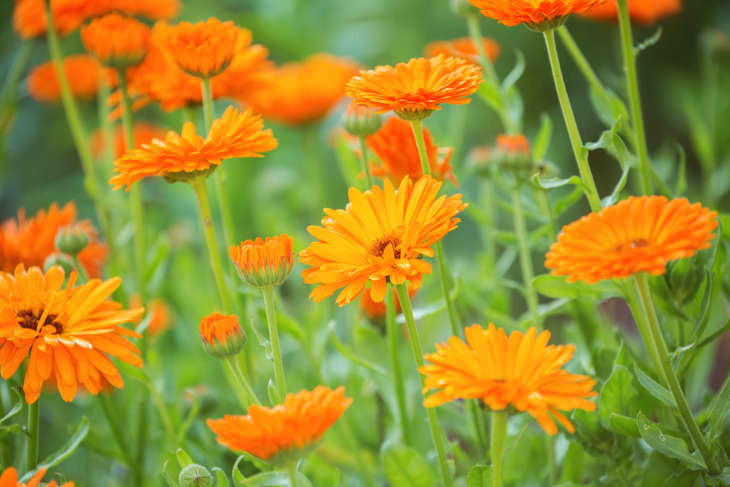
6. Calendula
This is one of Round’s favorite types of flowers. In addition to the classic orange, the flower world has created some beautiful calendula flowers in the past few years, like pale yellow and pink hues. As a bonus, calendula flowers help repel rabbits who might otherwise make a buffet of your garden. You’ll see these bloom about eight weeks after planting.
Time from seed to flower: Calendulas germinate in one to two weeks. You’ll see blooms in about eight weeks.
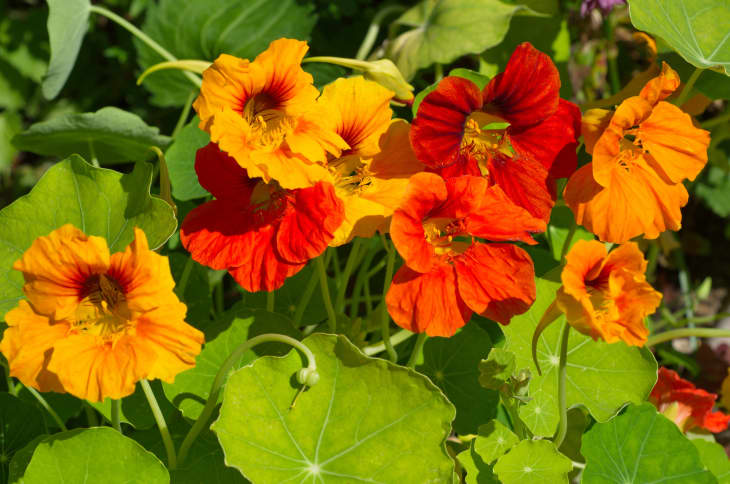
7. Nasturtium
Nasturtium flowers generally function as a pest trap in my garden, since they draw aphids away from other more susceptible plants — but what a beautiful trap they are! You can find yellow, red, orange, even splattered pattern varieties of this vining beauty.
Nasturtium flowers pop up shockingly fast; you could see flowers from seed in as few as 35 days from germination. As with all seed-starting, you’ll want to make sure you keep them moist from the moment they’re in the dirt.
Time from seed to flower: Nasturtium germinate in one to two weeks, and can bloom as quickly as five to six weeks from planting.
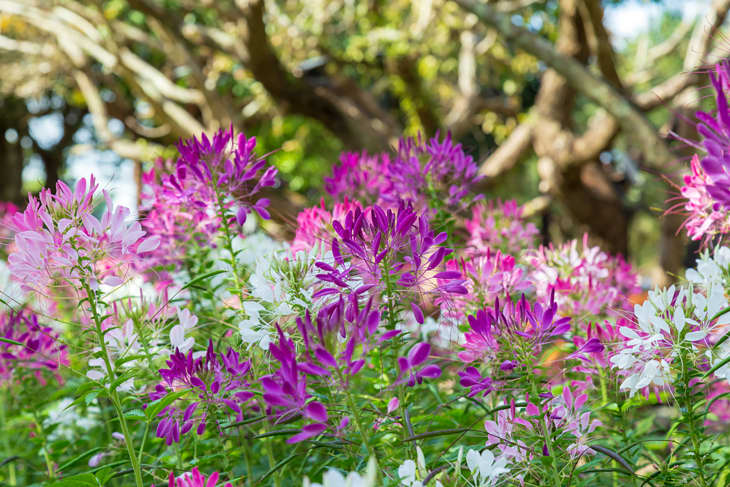
8. Spider Flower
Although the spider flower (or cleome) is somewhat of an old-fashioned plant, Hancock loves it for its “distinct look” that features spikes of flowers on long stems. Spider flower is also a favorite of butterflies and hummingbirds.
Spider flower self-seeds and blooms within two months of planting. The growing spike continues to produce blooms until frost hits.
Time from seed to flower: Spider flower germinates in one to two weeks. You’ll see blooms in about three months.
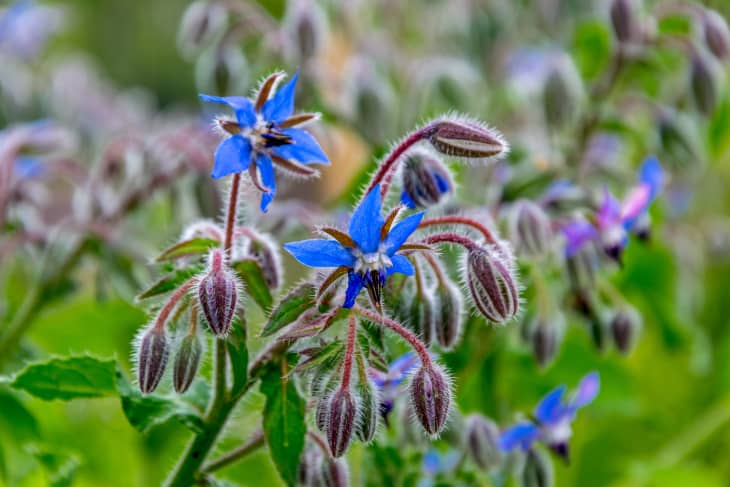
9. Borage
Also called starflower, the pretty blue blooming borage can self-seed — so if you plant borage this year, you might find even more popping up next year without any work on your end. But in the meantime, deadheading your borage after the blooms start to shrivel will help stop this flower from turning its energy into seeds and will bring you as many blooms as possible.
Later, toward the end of the season, leave those spent borage flowers in place to turn into seeds for next year. You’ll get fresh flowers without having to plant anything new!
Time from seed to flower: Borage germinates in one to two weeks. You’ll see blooms in about eight weeks.
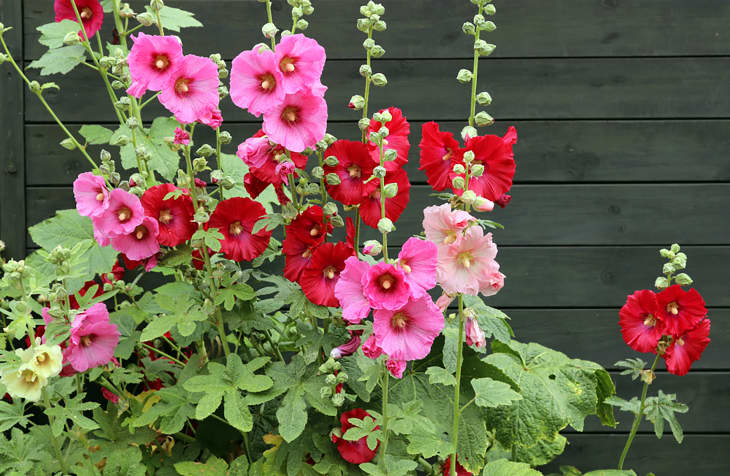
10. Hollyhock
According to David Angelov, the owner of Plant Parenthood, Hollyhock is popular because it’s a native plant and self-seeds, plus it’s just lovely to look at. “They hold a country old vibe with an exceptional wow factor every time you see them,” he says. “I like to plant them around every corner.”
Hollyhock’s stems of large, bright flowers sometimes grow to be 8 feet tall and are tolerant to both wind and salty conditions. One caveat: Although they grow quickly and are great for filling in sparse garden beds, they will not flower much — if at all — during the first year. But those hollyhocks will be back next year to bloom, and will self-seed to bring even more flowers with them.
Time from seed to flower: Hollyhocks can germinate from seed in about two weeks. Their first summer, the plants can grow 3 feet high or taller. You’ll see blooms next summer (as well as more newly germinated seeds since this plant self-seeds).
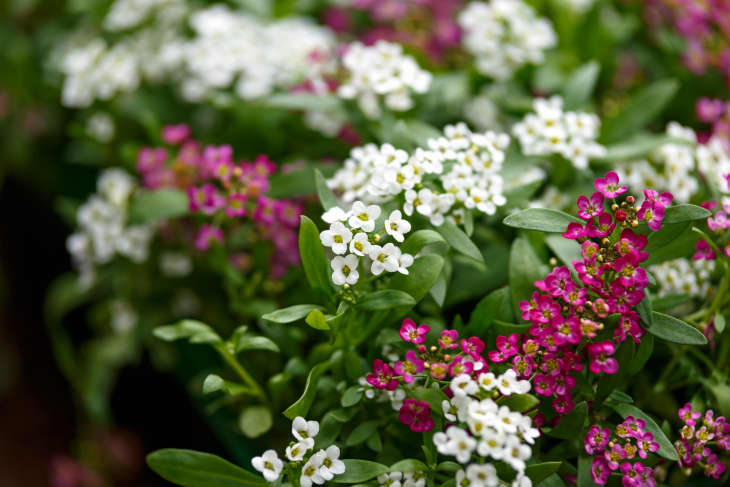
11. Sweet Alyssum
If you’re a person who fills your containers with annuals, grow yourself as much sweet alyssum as you have room for. Sweet alyssum is a fantastic filler and spiller — meaning its voluminous shape will fill up empty space and even trail over planter edges — and it’s known for its delicious-smelling teeny blooms.
From seed to flower, sweet alyssum only takes about two months. It also attracts hover flies and lady bugs, both of which eat the aphids that chomp on all your favorite plants. Plant some sweet alyssum and it’ll be working harder than any other plant in your garden!
Time from seed to flower: Sweet alyssum germinates in about 1oneweek. You’ll see flowers in six to eight weeks.
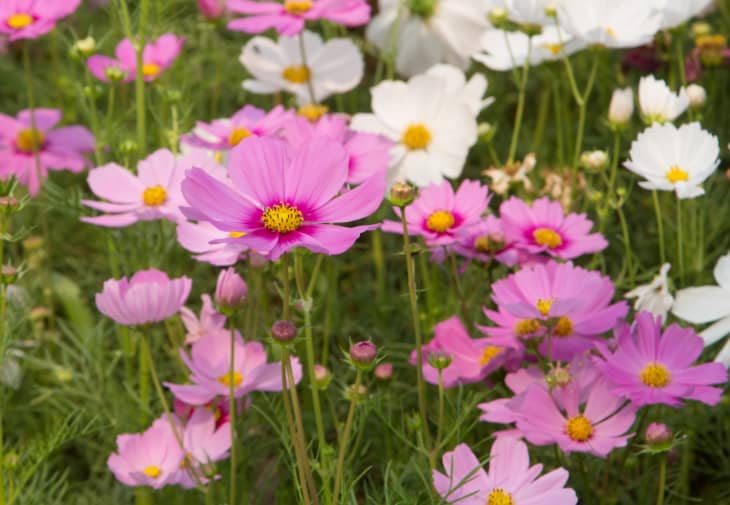
12. Cosmos
The stunning cosmos will take about seven weeks to bloom, and once it does you’ll get flowers until the end of your growing season. Cosmos can’t be stopped and thrive on neglect, so they’re perfect for anyone looking for maximum color with minimum effort.
You don’t ever want to over-water your cosmos, which prefer to dry out — meaning skipping or forgetting watering days isn’t going to be an issue here. Deadhead delicate-looking cosmos blooms once they’re spent to get even more flowers. This is another self-seeder, so if you let yourself be lazy about tidying these up towards the end of the season, you’ll likely get some seeds that will grow in next year.
Time from seed to flower: Cosmos germinates in one to two weeks. You’ll see flowers in about two months, and they’ll continue to come all season long.
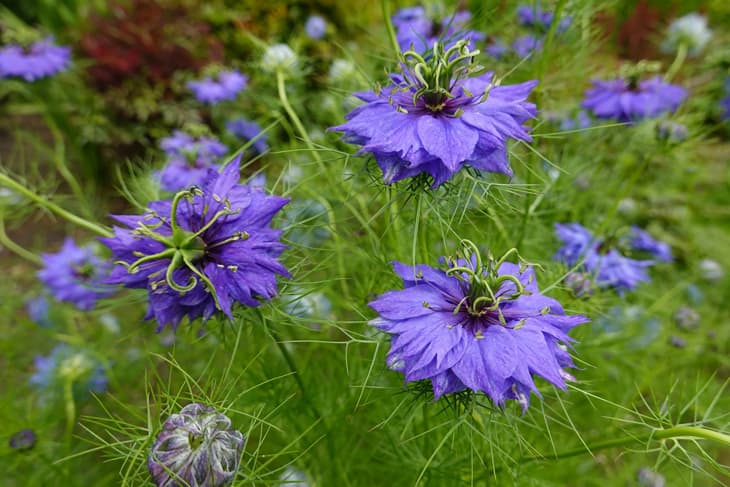
13. Nigella
Hancock describes nigella as an under-appreciated cool-season annual that deserves its day in the sun. With lacy leaves and flowers in tones of blue, purple, or white, nigella has the power to add texture to the garden even without blooms. “After the flowers fade, the balloon-like seed pods provide further interest,” says Hancock.
Plant nigella in a spot that gets a little shade each day, and it should bloom two to three months after being planted.
Time from seed to flower: Nigella germinates in one to two weeks. You’ll see blooms in about three months.
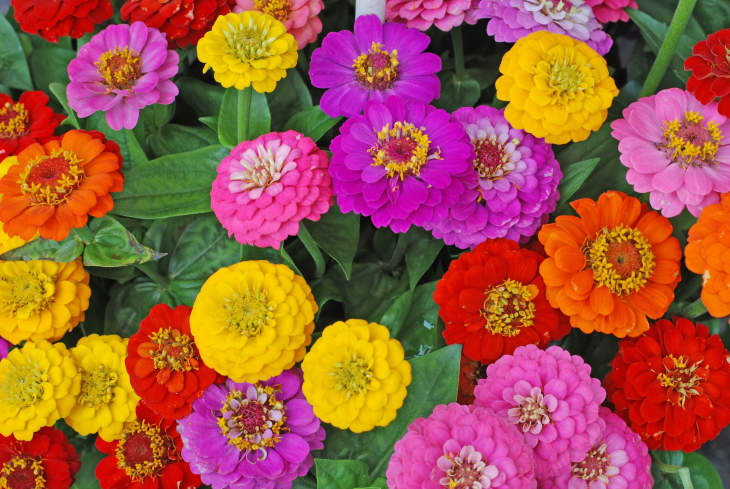
14. Zinnia
Zinnias are an easy-to-find classic. They come in practically every color you can think of, are great for cutting, and start to show their little sprouting leaves in as little as five days under the right conditions.
Zinnias love warm soil, and you can direct sow these babies in your garden once it’s 70 degrees or above. Keep them watered and watch them thrive. You can expect zinnias to blossom within two months of planting.
Time from seed to flower: Zinnias germinate in about one week, and flower in about two months.
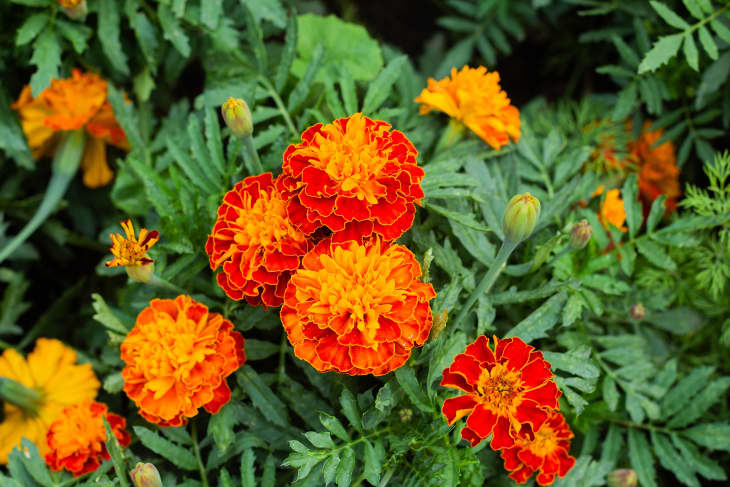
15. Marigold
“Marigolds are hardy, vibrant flowers that bring a splash of gold, orange, and yellow to the garden,” says Ingham. Not only are marigolds pretty to look at, but their distinctive spicy aroma repels garden pests, which is why Ingham plants them alongside his vegetables.
Time from seed to flower: Marigolds germinate in just a few days and flower in about eight weeks.