
Steal These Whimsical Garden Ideas to Make Your Yard Feel Magical
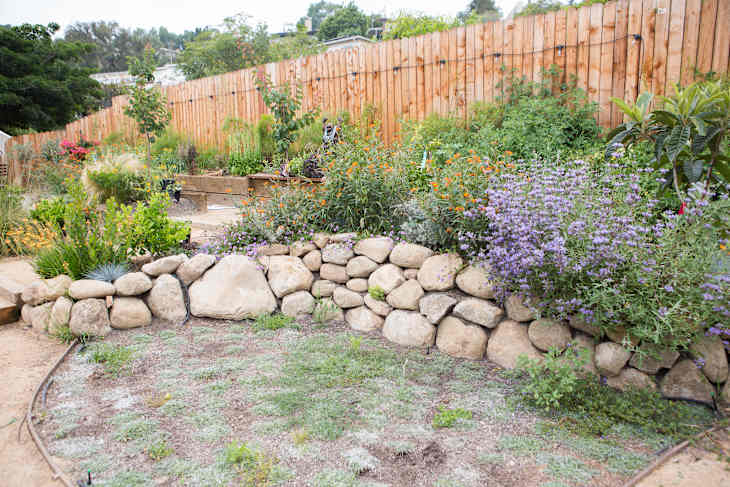
Whimsy is having an outdoor moment. Gardens are getting charming, magical makeovers with homeowners and renters alike embracing landscapes that are playful and informal. Think winding pathways, interesting textures, unexpected pops of color, and plants that feel like they’re straight out of a storybook or your favorite period drama (hello, wisteria-covered walls of the Bridgerton world!).
While an unstructured garden may sound easy to achieve, any gardener will know that there’s a method to this carefree vibe. What looks unintentional and organic is actually a carefully curated and thought-out area. If, like me, you’re looking to embrace more whimsy in the garden this year, look no further for all the advice you need. I spoke with Nicholas Kochiss, gardener, content creator, and the face behind the @myformalcottagegarden Instagram account, and he shared all his best tips and tricks for creating a dreamy, whimsical garden.
What Is a Whimsical Garden?
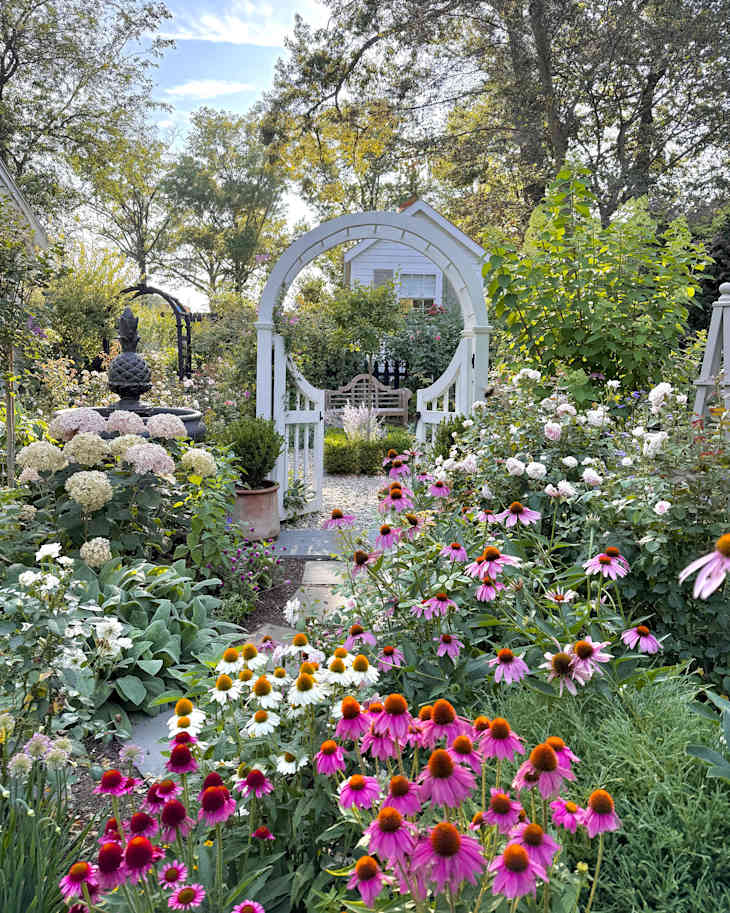
A whimsical garden is a space designed to be playful, lighthearted, and a bit unexpected. It embraces an informal approach to gardening, standing in stark contrast to gardens where symmetry, balance, and structure is key. In whimsical gardens, flowers might spill over pathways, different hues intermingle, and there’s often a sense of movement and surprise.
“If I had to describe a whimsical garden, I imagine one that isn’t perfect,” Kochiss says. Like a cottage garden, they are “full of different colors, varied shapes of blooms, and playful, unexpected garden additions planted throughout,” he explains.
The most important thing to understand about whimsical gardens is that creating one is a highly personal experience. At its core, whimsy is interpreted differently by everyone since it’s rooted in a sense of nostalgia and a freedom to create. That means that for some, whimsy in the garden will look wild, colorful, and a bit quirky, while for others a softer, more romantic approach feels best.
“To me, it isn’t always about bright colors or bold, eye-catching pieces. Even the simplest garden, like a formal English garden can feel whimsical through its unique, carefully shorn hedges or thoughtful plantings,” Kochiss says.
The Best Plants for Whimsical Gardens
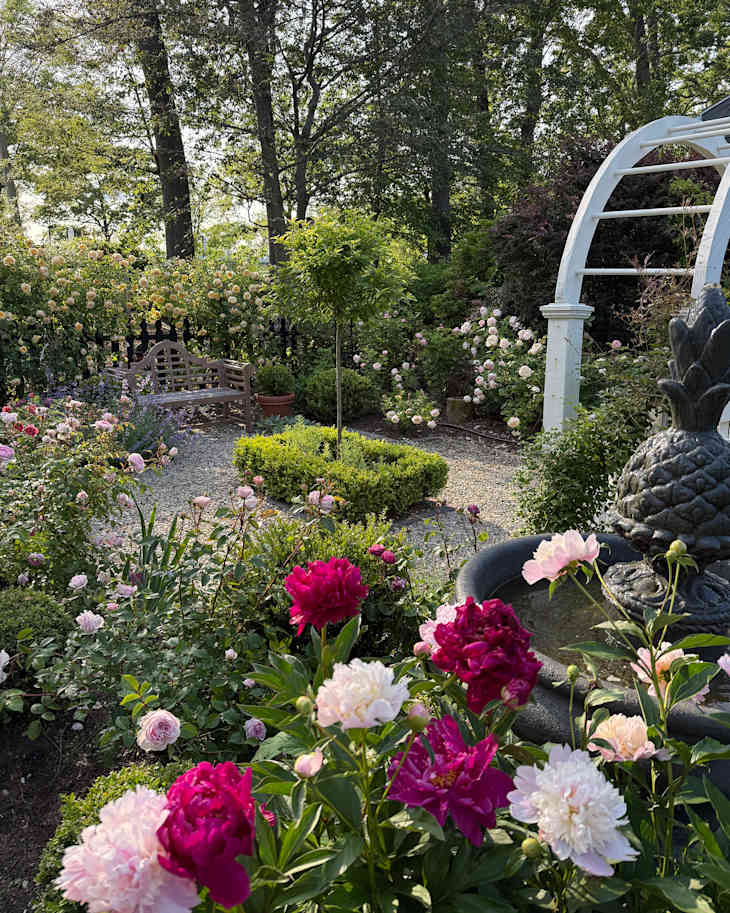
The goal is to create a space that feels soft, romantic, and a little unruly without being totally wild and unmanageable. That said, certain plants naturally lend themselves to the controlled chaos that the whimsical look entails, and as such are a staple in many whimsical gardens.
These include classic, old-fashioned blooms for a sense of romance; airy filler plants for movement and texture; colorful and hardy cottage garden staples; and fragrant plants for a sensory experience. Not only are these plants beautiful, but many of them are low-maintenance, hardy, and pollinator-friendly, which I love. Because what is more whimsical than a garden filled with flapping butterfly wings, the hum of honeybees, and the sparkle of dragonflies passing through?
Romantic, old-fashioned blooms
- Roses (especially the climbing or rambling varieties)
- Peonies
- Foxglove
- Hydrangeas
- Delphinium
Airy filler plants
- Cosmos
- Baby’s breath
- Forget-me-nots
- Columbine
Hardy cottage garden staples
- Coneflowers
- Black-eyed Susans
- Daisies
- Zinnias
- Sunflowers
Fragrant plants
- Lilacs
- Lavender
- Sweet peas
- Herbs like thyme, sage, chamomile, and basil.
Spring bulbs are also popular in whimsical gardens (like any garden) to help provide year-round interest. Think tulips, hyacinths, daffodils, muscari, crocus, and more.
For Kochiss, one of his favorite whimsical additions in the garden are topiaries and espalier trees. A staple in many formal gardens, he says they offer the perfect blend of formality and whimsy, and truly feel straight out of a storybook (Alice in Wonderland, anyone?).
“Topiaries can be created from so many different plants! Boxwood, willow, spruce, crabapple, and even roses! Each one brings its own texture and personality, but all add that sculptural element that makes a garden feel thoughtfully designed yet playful,” he says.
The key to creating whimsical gardens comes down to how you plant your blooms. Cottage-style planting is a top choice for planting a garden that feels layered, intentionally abundant, and a bit haphazard. Flowers, herbs, and edibles like fruits and vegetables are planted together in crowded beds to create a lush, abundant, and low-maintenance look. (As you mix plants and herbs, make sure to check if they work well with one another and grow happily together.)
Other Ways to Make Your Garden More Whimsical
Adding the right decorations can act as the cherry on top of a good whimsical garden design. Planters, for example, are an easy place to start.
“One of my favorite planter styles is an urn,” Kochiss says. “There’s something so timeless about them, especially when paired with classic rolled rim terra-cotta pots. When they’ve developed that natural patina over time, it adds instant character and makes the garden feel like it’s been there forever.”
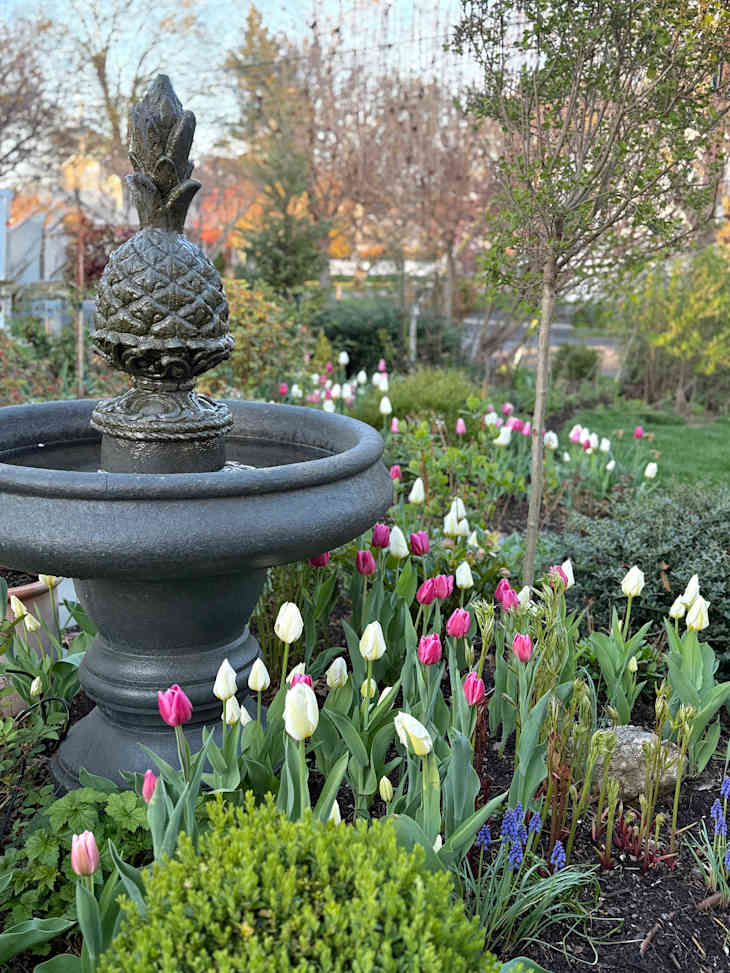
In addition to planters, Kochiss loves using water features to add character and charm to his gardens. If you have the space, a fountain is a great addition, but even birdbaths or miniature ponds can add a touch of whimsy when space is limited.
Not only do water features elevate the look of a space, but they increase the sensory experience, too. “The gentle movement of water makes everything feel more peaceful. Since adding [a fountain] last spring, it’s easily become one of my favorite features,” Kochiss says.
Other whimsical features could include statues, miniature fairy gardens, fencing, winding pathways, trellises, archways, and more. The best part about whimsical garden design is that the rules aren’t strict, so you can truly make it your own. So let your inner child out and let yourself get creative and playful in the garden this summer. I know I will!
Check out Yard Therapy for all the outdoor area inspiration you need this spring, with landscaping tips and hacks for making even the smallest spaces shine. This content was presented by a sponsor; it was created independently by our editorial team.