
How to Start a Garden You’ll Love Even with Almost No Outdoor Space
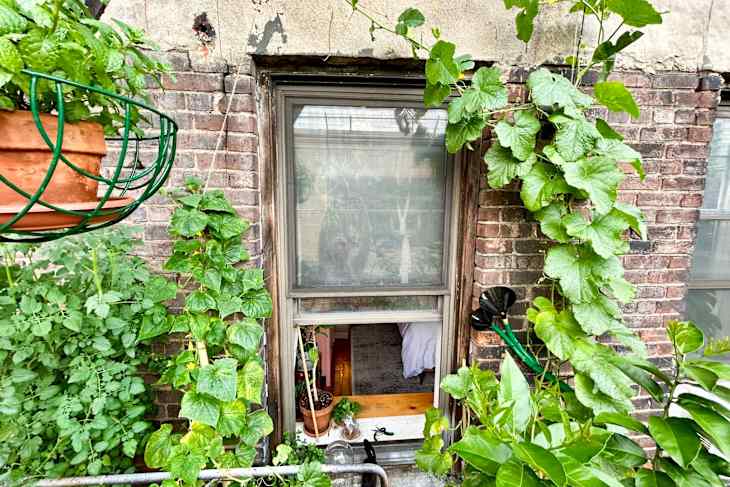
No backyard? No problem. While a sprawling garden might be the dream, the reality is that many of us are working with a lot less, whether it be a petite patio, narrow balcony, or even just a sunny windowsill. If a lack of space has dissuaded you from building the garden of your dreams, let this be your sign: You don’t need a big outdoor footprint to grow something beautiful. Whether you’re hoping to grow fresh herbs, experiment with a few vegetables, create a tiny cut flower garden, or simply surround yourself with greenery, success comes down to understanding your space and working with it, not against it.
I spoke to Ciara Benko (@thejungleupstairs on Instagram) to learn all about her experience creating and cultivating a tiny vegetable garden on her fire escape in the heart of Manhattan, and she shared so many good tips. Here’s everything you need to know about creating a thriving garden, even when you have almost no outdoor space to work with.
What to Know About Starting a Garden with Almost No Outdoor Space
Starting a garden without a backyard may seem daunting, or even impossible, but let me reassure you. With the right tools and knowledge, it is completely possible to grow a thriving garden, even in the tiniest of locations. Here are a few of the top things to know as you create your outdoor garden, whether you’re working with a small patio, a stamp-sized balcony, or a single windowsill.

Get accustomed to growing in containers.
A lack of garden beds means one thing for sure: Container gardening is the way to go. Container gardening simply refers to the practice of growing plants in pots, planters, hanging baskets, raised beds, and other containers, rather than in the ground.
Don’t be afraid to think outside the box here. Benko says she used all kinds of different containers for her tiny fire escape garden. Think raised beds, railing planters, window boxes, small pots, oversized planters, old plastic containers, and more. It doesn’t have to be pretty, it just needs to fit and be functional!
In theory, container gardening is very similar to growing plants in the ground, but in practice, there are a few important differences to know. The most important? You’ll need to water your plants a lot more often.
Stay on top of watering.
Watering is the top thing to be aware of when it comes to container gardening, and thus, gardening with limited space. Less soil and more airflow around the plant’s roots means that containers can dry out pretty quickly, especially in the heat of the summer. If you aren’t diligent about your watering (I’m talking every day or multiple times a day), you can quickly lose plants to the heat. Anyone who’s tried growing thirsty herbs in small pots outdoors knows exactly what I’m talking about here (RIP to my 2025 herb garden). Benko came up with a few clever strategies to help keep her tiny vegetable garden hydrated in the height of the NYC summer heat.
“Sometimes, even if I watered my fire escape garden first thing in the morning, by 3 p.m. it was totally dry,” she explains. “I bought plastic saucers that were about 2–3 inches deep, and filled those up each time I watered in the morning. That way, once the topsoil started to dry out, at least the plant was able to pull in some water from below.”
She also notes that, in general, the smaller pots dried out more quickly than the larger containers. To combat this, she says that she ended up hanging the majority of the smaller pots from the fire escape above in partial shade to ensure that they dried out more slowly.
Self-watering stakes, hydroponic systems, self-watering pots (like this Costco elevated garden planter!), drip irrigation systems, and rainwater collection are just a few other ways you can optimize your watering, depending on the location of your tiny garden.

Choose your plants wisely.
As with any garden, choosing your plants wisely is critical to its overall success. This comes down to surveying your space, including the amount of light it gets and how much room you have, and then choosing plants that fit these criteria well. For example, if you have a patio that’s almost entirely shaded throughout the day, it will be challenging to grow most vegetables, fruit, and herbs, which need several hours of sunlight. Likewise, if you have a very small balcony or windowsill garden, you may need to avoid large sprawling plants or those that require deep pots.
These same principles also apply to your habits as a gardener. The sunniest, brightest patio may be ideal for a container vegetable garden, but if you can’t commit to daily watering (vegetable plants are notoriously thirsty), you’ll only set yourself up for heartbreak. Instead, you may be better-suited to drought-tolerant options like cacti and succulents. Taking some time to choose plants that will fit your space and lifestyle will pay off in the long run and result in a lush, thriving garden.
That said, don’t forget to prioritize creating a space that brings you joy, too. If a vegetable garden is your dream but your space is mostly shaded, focus on choosing plants that can tolerate partial shade — such as leafy greens and root vegetables.
“It’s about building a space that makes you happy, so think about what will bring you joy. Are you looking to create a flower garden? Are you looking to cultivate actual vegetables or fruits? Or are you just looking to turn your otherwise drab outdoor space green? You can start brainstorming from there, because there’s really no wrong answer,” Benko says.

Use your vertical space in a big way.
When space is limited, go up! Benko says that getting creative with your vertical space is one of the best ways to create a thriving garden, even in the smallest of spaces.
“If you have a very small area (like I do), I’d recommend hanging pots from above or creating a trellis along a wall so that plants that may typically grow outward and across the soil — like pumpkins, cucumbers, and cantaloupes — can grow upwards,” she says.
Thinking up instead of out will vastly increase your options, transforming what felt like an impossibly small space into a vertical jungle. Vertical space can be optimized using hanging planters, trellises, stacked planters, railing planters, shelves, and more. The options are truly endless!
Check out Yard Therapy for all the outdoor area inspiration you need this spring, with landscaping tips and hacks for making even the smallest spaces shine. This content was presented by a sponsor; it was created independently by our editorial team.