
My Sister’s Visual Decluttering Trick Is So Effective, I Used It in Every Room
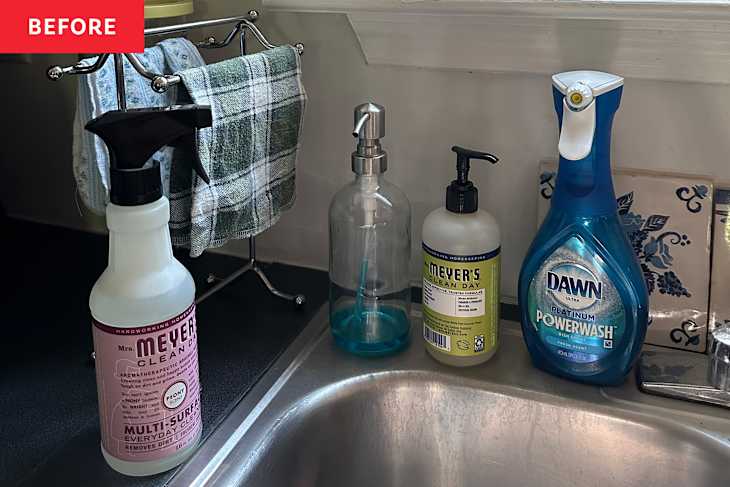
For the majority of my life I’ve known my sister, Chessie Domrongchai, as a beauty and lifestyle maximalist. As a former beauty influencer, she taught me — and thousands of others — how to apply makeup, find the perfect body lotion, and keep up with the latest beauty trends. Her home was a maximalist reflection of the newest blushes, perfumes, and personal care products, each carefully and proudly displayed in branded packaging. But recently, something shifted.
She began visually decluttering her home (and sharing her process on social media!), removing labels from everyday items, and this seemingly quiet change has led to a meaningful impact on her space and self. Naturally, I had to try it myself.
My Sister’s Visual Decluttering Trick of Removing Labels
According to my sister, visually decluttering is a process of reducing “visual noise” in your environment by simplifying or removing distracting elements, which includes branding and unnecessary packaging. This can mean removing labels from dish soap bottles, face washes, and lotions. She originally learned about the trend from another TikTok creator, @Figfeelings, but has since taken that message and used it to both reflect and work on her own long-term shopping addiction.
“At its core, visual decluttering is about shifting attention from what the product looks like to what the product does,” says Chessie. Though it isn’t necessarily about having fewer items, she admits that “no one needs five lotions or six different shampoos.” It’s about what the product does for you, not being a “brand ambassador” or “walking advertisement” in your own home. She says this small shift is especially helpful in high-traffic areas like the kitchen, bathroom, or office.
What Makes Visual Decluttering So Great
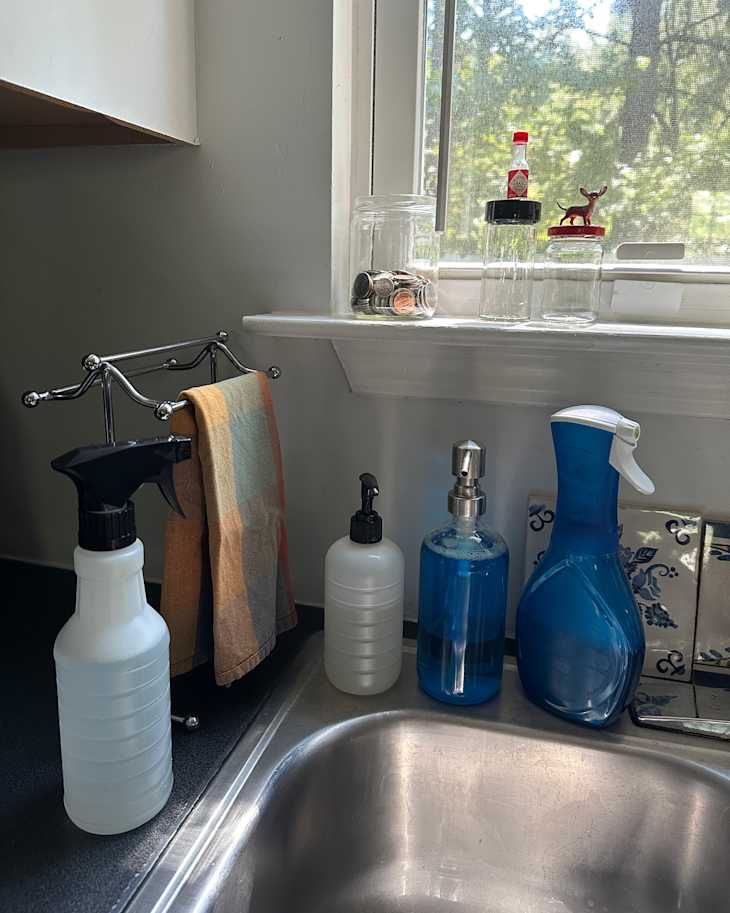
Visual decluttering, to Chessie, is about presenting the items in your home in a more cohesive, intentional way that supports mental clarity and an aesthetic that is hers, not those of a bunch of brands.
For my sister, visual decluttering has been psychologically and emotionally beneficial, has improved her physical space, and has even helped her save hundreds of dollars (since she’s not purchasing just name-brand items). Here’s why visual decluttering is so great.
It reduces visual noise and mental clutter.
Chessie tells me that removing competing labels (and the colors, fonts, and logos they have on them) creates a more serene space. “When your eyes aren’t darting between visual stimuli, your mind feels calmer and more focused,” she explains. The first thing she de-labeled was her hand soap and other bathroom items, and she found this small shift to significantly reduce the mental noise in her bathroom.
“Even when you aren’t actively reading the labels on bottles, your mind still passively comprehends and internalizes them,” she says. “Removing the labels removes the stimuli, and creates a really relaxing environment.”
It encourages mindful consumption.
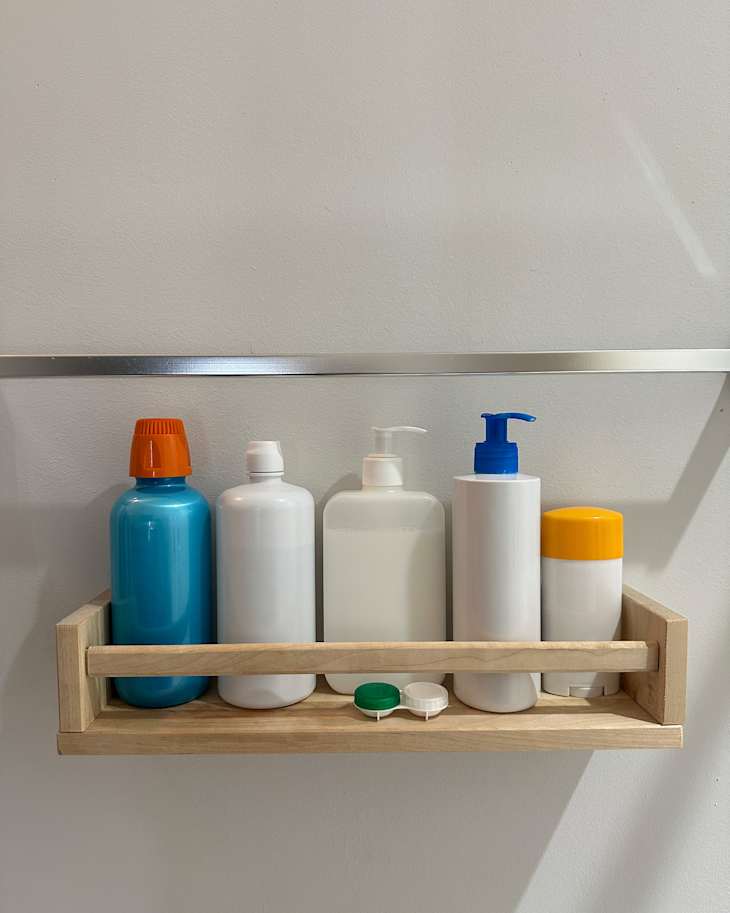
When the labels disappear, the urge to over-consume often follows. My sister explained that within the first few days of visually decluttering parts of her home, she started “using products for their function rather than their branding,” which led to less waste and making thoughtful purchases for things she needs rather than ones she just wants.
It saves money and supports sustainability.
Because she’s viewing items for their purpose rather than their branding or virality, she isn’t buying nearly as much for her home. “Instead of constantly chasing the next best thing, I’ve developed a longer-term relationship with the items I already own,” she says. It’s been a subtle but powerful way to shift from consumerism to intentional living and interacting with her things.
“The visual clarity is nice, but I saved hundreds of dollars [in the first month] from what I’d normally spend on the newest house products and beauty items that catch my eye,” she says. Just think of the savings over time!
It delivers aesthetic simplicity.
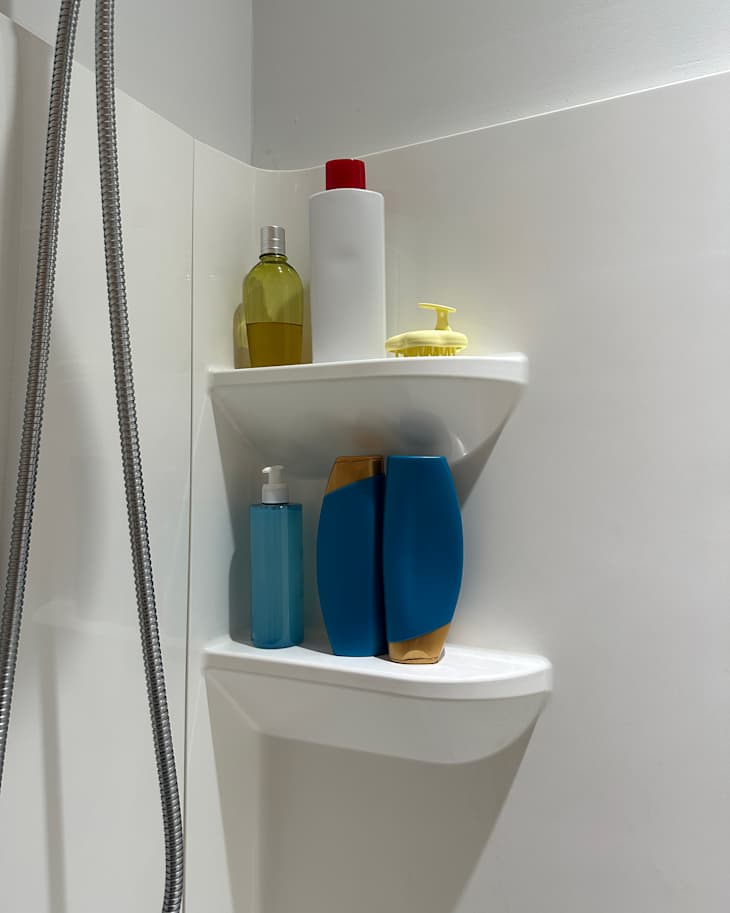
“There’s a quiet beauty in unbranded items,” Chessie says. When products are stripped of marketing messages, she explains to me, you’ll notice the texture of a glass jar, the color of a liquid, or the simplicity of a wooden brush. This form of minimalism, she shares, has enhanced her home’s visual appeal without the need for expensive renovations or trendy upgrades.
Items You Shouldn’t Visually Declutter
As with anything, practicality and safety are key. While removing labels can be beneficial, there are items where keeping original packaging is essential:
- Medication and vitamins: Always keep original labels for dosage instructions, expiration dates, and safety information.
- Harsh cleaners and chemicals: Labels often contain warnings and first-aid instructions that could be critical in emergencies.
- Allergy-prone or special-use products: If a product is used for sensitive skin, food allergies, or other medical concerns, its original packaging should be preserved for clarity and safety.
Additionally, sentimental items or objects that bring joy in their original form don’t need to be decluttered. Visual decluttering isn’t about stripping personality from your space; rather, it’s about making room for the right kind of visual stimulation.