
Designers Say This Controversial Bathroom Feature Is Making a Comeback in 2026
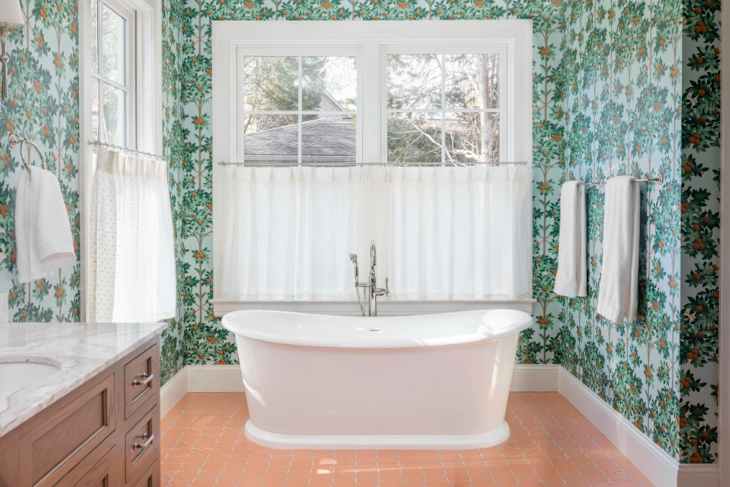
We’re no strangers to controversial design features making a major comeback: From soapstone kitchen countertops to seashell decor, things that were once “out” always seem to make their way back “in” in the design world. (Design déjà vu is kind of the industry’s thing.)
As part of the sixth annual State of Home Design survey last month, Apartment Therapy asked 140 interior designers which once-controversial trends they thought were poised to make a resurgence in 2026. Some answers were more surprising than others, of course, but one stood out more than all the rest: When it comes to bathrooms, interior designers say the built-in bathtub is back — and in a big way.

Why Are Built-In Bathroom Features Coming Back into Fashion?
Love it or hate it, the experts have spoken; but why the built-in tub? For many years, the built-in bath and shower combo was the standard when it came to bathroom design. And for good reason: Combining the two simply saves space and streamlines the layout.
However, freestanding bathtubs and separate walk-in showers have been all the rage in more recent years; some homeowners even ditched the bathtub altogether. Others opted for a vintage look by installing clawfoot tubs. Interior designerAmy Switzer is growing tired of this look, though, and she’s not alone. “For years, everyone’s been ripping them out in favor of freestanding tubs, but I’m ready to see them return,” she says.

Sara Swabb, Founder & Creative Director of Storie Collective, agrees. “Freestanding tubs have had their moment, but built-ins are [more] practical, comfortable, and can be beautifully designed with stone or tile surrounds that feel architectural and tailored,” she says. “They offer a sense of permanence and luxury that’s both functional and timeless, especially in smaller bathrooms where every inch counts.”
Additionally, Sallie J. Lord, founder of GreyHunt Interiors, points out that bathtub surrounds are safer than freestanding bathtubs, since they have that built-in support when entering and leaving the tub — “and when done right,” she says, “[they] have a luxe vibe.”

How to Make Built-In Bathtubs Beautiful
So what creates that “luxe vibe,” exactly? “A built-in tub wrapped in stone or plaster can feel incredibly sculptural and spalike,” Switzer says, “especially when it’s integrated into the architecture instead of plopped in the middle of the room.” Tiled tub surrounds can also help the tub blend seamlessly with the flooring for a super-chic, luxury look; or, if you want to really lean into the spalike vibes, you could even try encasing it in wood like the space shown above by East Hampton-based design firm STUDIO XIAO.
I think the renewed interest in built-in bathroom features is tied directly to the “covecore” trend we reported on earlier this year, in which alcoves for tubs were seeing a resurgence — a shift that feels especially relevant as we head into 2026. As opposed to the open-concept spaces we’ve seen everywhere for the last decade or so, designers are leaning more into cozier, closed-in spaces now — and the bathroom is no exception.
So, what do you think? Will you be opting for a built-in tub in your bathroom, or embracing the one you already have instead of a walk-in shower or freestanding version?