
The Simple “Layering” Secret Behind Homes That Always Smell Fresh
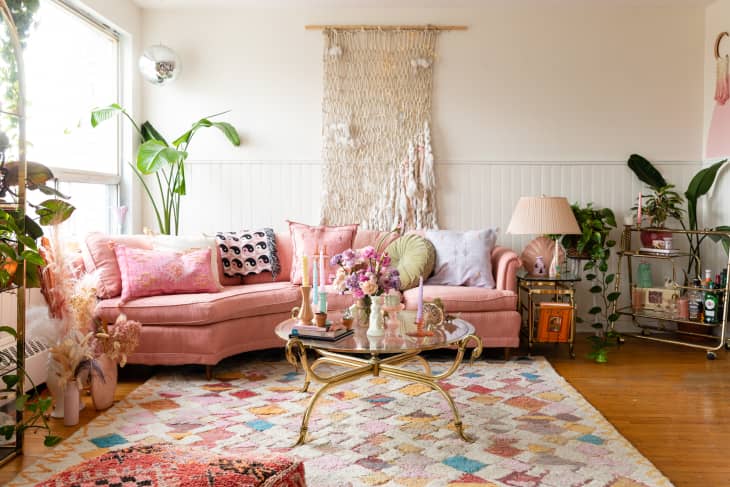
It started with a bottle of EOS Vanilla Cashmere body lotion that I saw so many people in my TikTok feed raving about. I caved and bought some. Now it’s on auto-renew and has officially earned a spot in my go-to gift list for “favorite things” parties. The whipped vanilla scent is delightful on its own. But then TikTok lured me deeper into the rabbit hole, introducing me to the concept of fragrance layering.
Scent layering (think of it as a fragrance remix) is having a major moment on social media right alongside trends like “everything showers” and other whimsical luxuries — all ways to indulge and delight in the simple pleasures of living in your home. The concept of scent layering is this: Start with a scented base like a lotion, then layer on some body oil, and top it off with a spritz of perfume to create a custom scent cocktail that lasts longer and smells even dreamier.
Which got me thinking: If you’re curating signature scents for your skin, why not do it for your home, too? Could it be the trick to getting your home to smell as amazing and memorable as a luxury hotel lobby or the entrance to Anthropologie?
“It’s definitely having a moment,” says Emilie Mascarell, a fragrance development consultant with more than 15 years of experience, including 10 years at Le Labo. “People are taking the idea of personal fragrance layering and applying it to their homes.”
With that confirmation I’m sharing some tips for making your home the good-smelling oasis you’ve always wanted it to be.

What Is Fragrance Layering For Your Home?
Scent layering at home means intentionally choosing fragrances that include everything from cleaning products to candles, diffusers, room sprays, and perhaps even fresh flowers, Mascarell says. It’s an intentional practice to not only make your space smell incredible, but to make coming home and spending time there feel extra special — just like stepping into that luxe hotel lobby, but this time, designed for your exact fragrance preferences.
When you’re scent layering, you could stick to a singular scent family (like citrusy, woody, floral, and so on) or you could choose scents that pair well with one another. The idea here is to build dimension and nuance in your space, using complementary scents that work together rather than compete, Mascarell says. Here’s a breakdown of how to do it.

Choose a Base Scent
The foundation of your scent layering are the products you’re using all the time, like the cleaning sprays you wipe down every surface with and the room diffusers that pump fragrance into the air. When choosing a base scent for those items, think about what you’re already drawn to. For example, you could consider what notes appear in your body care or perfume or the home scents you gravitate toward, suggests Kelly Piatti, interior decorator with Decorating and Such, who has spent more than 20 years helping clients transform their spaces — not just visually, but also through the way a room feels, including its scent.
Citrus is a great place to start, she says, because it’s fresh, familiar, and easy to layer. Light florals like peony or freesia are also versatile. From there, you’ll add in complementary scents in the mid-layers (think: candles) and top notes with linen sprays and fresh flowers.
Avoid heavy “parfum-style” scents if you or your guests, roommates, or family members have fragrance sensitivities. Instead, look for essential oil-based options and stick with notes close to nature, Piatti recommends. Eucalyptus, mint, and lavender are usually well tolerated and offer a fresh, light scent profile that’s not overwhelming, she says.

Pair Complementary Notes
Just like building a balanced cocktail, you can layer scents by pairing complementary notes. “You don’t need to stick to one scent family; mixing works beautifully as long as everything lives in the same general mood or atmosphere,” Mascarell says.
Here’s some combinations favored by Mascarell:
- Citrus pairs beautifully with herbal notes, creating a fresh and invigorating atmosphere.
- Woody and amber scents bring warmth and depth, perfect for cozy spaces.
- Florals can be softened with aquatic notes or grounded with woods for a more modern feel.
- Green (think: fresh and earthy) and floral together feel natural.
- Citrus with soft musk creates that clean, musky linen vibe that’s subtle but long-lasting.
One more thing: You can absolutely have fun with scent layering, Mascarell says. Loewe’s vegetable candles are a great example with notes like tomato leaf, beetroot, or licorice root that add a playful, unexpected twist.
Layer in Subtle Scents
Candles are great for adding warmth and presence, and larger ones can gently scent a room even when they’re not lit or under a candle warmer. “I also like more unexpected touches like scented stones, incense, or potpourri,” Mascarell says. “Fresh flowers or herbs are a beautiful finishing note that keeps everything feeling alive.”
When she’s staging or transforming a space, Piatti says she likes to spritz soft furnishings, such as drapes, shower curtains, and even lampshades, with her favorite linen sprays. “It’s a subtle way to carry scent through a space without overwhelming it,” she says.

Remember That Less Is More
The most common mistake is layering too many bold scents that compete with each other, according to Mascarell. “Think in terms of mood — warm, crisp, airy, or cozy — and choose scents that support that feeling,” she says. “Everything doesn’t need to match, but the transitions between spaces should feel intentional.”
In larger rooms, you have more flexibility, Piatti says. A diffuser set on a timer can serve as a background scent, while a candle adds both fragrance and ambience. In smaller spaces, like a powder room or foyer, a single good-quality room spray is plenty.

Make Your Fragrances Last
To help scent last, Mascarell says she likes mixing formats that diffuse at different speeds. For instance, a quick spritz of room spray can refresh the space, but pairing it with something longer lasting like a diffuser or scented reeds helps create a more consistent backdrop — and a home that stays smelling good all day.
Even hand soap or pillow spray contribute to the atmosphere, especially in smaller spaces, she says. “Scented fabrics, like your sheets, curtains, or the inside of a closet, carry fragrance in a soft, subtle way,” Mascarell says.
Another way to ensure your scentscape doesn’t fade away? Invest in quality, Piatti says. “Higher-end candles and diffusers typically contain more fragrance oils, making them both richer and longer lasting,” she says. One last thing: If you’re incorporating candles, consider using a candle warmer instead of burning them — Piatti finds that they release scent more slowly and evenly.
However you decide to layer your home fragrances, don’t be surprised if your friends can’t help but ask “how does it smell so good in here?” every time they come over. And when it’s just you at home, odds are you’ll enjoy your rent (or mortgage) even more as you lounge on the couch, do the dishes, and sit down to work, all while inhaling the custom scent that just makes puttering around home feel all the more luxe.