
Why I’ll Always Use the “6 Week Method” Every Time I Move (It Keeps Me So Organized!)

I’ll cut to the chase — I’m an organization fiend. I pack a trunk with the precision of a dad prepping his station wagon for a 10-day cross-country family road trip. I have a list that lists the lists I need to make, and while I respect the junk drawer, I don’t even have one. My organizational skills really shine during a move, and I’ve consolidated my best tips in this ultimate moving checklist — if you loathe moving, this list is your new best friend.
For people like me, moving all “the things” to their designated spots in a new place is a joy. (Even as I typed that, I could feel the adrenaline pumping through my color-coded, alphabetized veins.) But for folks who are fundamentally the opposite of me, moving is a nightmare. Before you make your next relocation, check out this trusty moving checklist that spans six weeks before the big day all the way to settling in at your new place.

Six Weeks Before Your Move
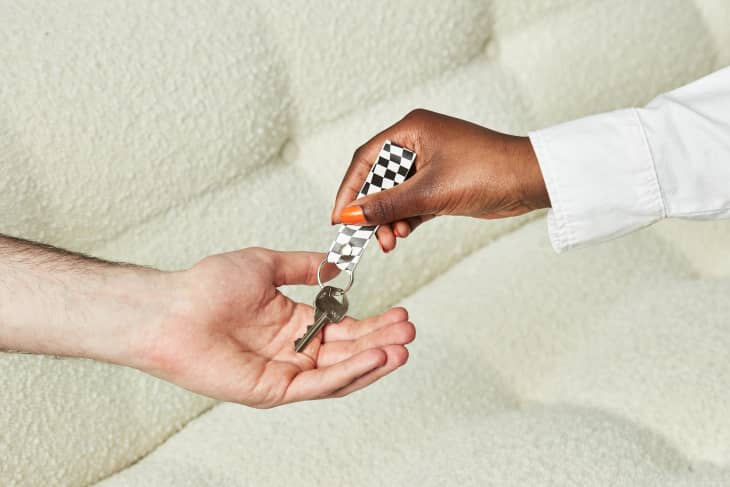
- Review your current lease and prepare for move-out arrangements. “You’ll want to make sure you know the specifics, especially when it comes to any requirements regarding the return of your security deposit,” says Shannon Hall, a real estate agent with Hill City Realty in Lynchburg, Virginia. You’ll likely need to do a walkthrough, make a plan to return your keys, and learn how to get back your security deposit (you don’t want to lose out!). You also need to tell your landlord you’re leaving. “Determine how much notice you must give your landlord to vacate. Most leases require at least a 30-day notice, in writing,” Hall says.
- Confirm move-in arrangements with your new apartment manager or landlord. Some buildings have strict move-in procedures, and you don’t want to start out on the wrong foot.
- Research and reserve a moving company, or start recruiting family and friends to assist. (especially those with kind hearts and roomy vehicles!). Tyler Lucy, owner of Blue Ridge Moving LLC in Lynchburg, Virginia, advises reaching out early — you may want to even start a few months ahead of your move — since moving companies often fill up their calendars quickly, especially during the busy season from May through September. Remember: If you’re using a moving company, ask what items they won’t move (hazardous materials, propane tanks, etc.) and plan accordingly.
- Stockpile moving supplies: Boxes, tape, markers, bubble wrap.
- Map out your travel if you’re moving long-distance, and include pit stops and overnight lodging.
- Develop a general layout for the furniture in your new home, making note of outlet locations. Pinterest boards and online wish lists come in handy here.
- Take photos of valuable items before you pack them. In case anything gets damaged during the move, these will be crucial for insurance claims.
One Month Before Your Move
- Channel your inner Marie Kondo and set aside time to purge unwanted items. Avoid bringing anything that doesn’t serve or inspire you. Use Facebook Marketplace, Craigslist, Poshmark, and even Instagram to sell or rehome gently used items.
- Repair any damage to your old place. Patch up holes in the wall, and touch up or even repaint rooms if your lease requires.
- Check with your city government to learn if permits are required to park your moving van in the street. You don’t need tickets or towing on the big day! You should also check if you need a regular parking permit and/or guest passes at your new address.
- Contact your insurance company to update them about your move and do what you need to make sure your new place is covered.
- Obtain or forward official medical and school records if you won’t be staying in the same area.
- Contact utility companies to schedule the transfer and setup of service — you don’t want to go too long without the internet, and certainly not a moment without electricity!
- Make a plan for finding childcare and/or pet care on moving day. If you have young kids, check with your babysitter and/or family and friends if they can help you out watching them on moving day. Same goes for a pet — you’ll be relieved to have a sitter or to drop off your pet at a friend’s or family member’s home on such a busy day.
- Plan your availability for moving day. If your moving plan involves needing to take time off from work, make sure you request the day(s) off well ahead of time.
- Take stock of frozen foods, and other perishables. As the move gets closer, have an idea of what foods you need to eat so you’re not unnecessarily moving groceries you don’t want to throw away.
Two Weeks Before Your Move
- Be very mindful when you’re grocery shopping. You probably still want fresh products and perishable items in the house, but use these two weeks to use up what you have and only buy what you’ll use before you move.
- Call your moving company to reconfirm your rental and the services the moving company will provide. “The biggest thing we run into with clients is not being prepared for the move,” Lucy says. Some of the main sticking points he sees are people “not being organized and most importantly not understanding via the contract what services will be provided and what services will not be provided for that particular move.” Lucy warns that if you don’t opt for a packing service with your move — and you’re not packed when movers arrive — your price will likely go up due to extra time and labor.
- Start boxing up items you won’t need before the move. Out-of-season clothes and extra bedding and towels can be used in place of bubble wrap to protect smaller delicate items.
- Submit a change of address form with USPS so your mail is forwarded to the right spot.
- Learn more about your new neighborhood. Find the nearest emergency room, veterinary clinic, pharmacy, grocery store, library, hardware store, park, public transit stops, etc. This will be your new home, so it’s good to get an idea of what services are closest to you.
- Transfer or cancel local subscriptions and auto-ship items. You don’t want to keep getting charged for stuff you’re no longer using — or worse, stuff your old place’s new tenant might enjoy on your dime.
- Refill prescriptions, especially if you’re changing pharmacies.
One Week Before Your Move
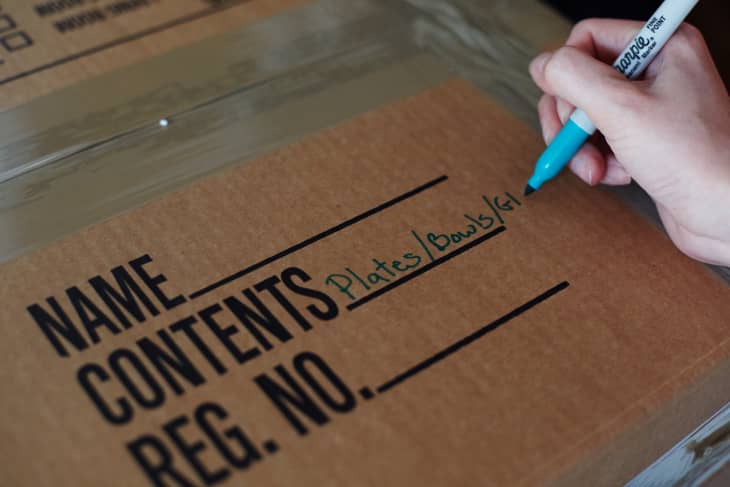
- Pack! Hopefully, you’ve been packing bit by bit for longer than a week, but if you haven’t, now is the time to make sure you’re not doing everything the night before the moving truck arrives. Clearly label all boxes and indicate which ones to prioritize. For example, you’ll probably need dishes sooner than decorative trinkets.
- Prepare a box of essentials to unpack first. This should include what you’ll need right away: toilet paper, sheets, a shower curtain, soap, basic tools, disinfectant wipes, first aid supplies, cell charger, etc.
- Designate an area or room in your home to store completed boxes and items ready to move. This will ease both the actual packing process and your anxiety.
- Contact a locksmith to have your locks changed.
- Call your moving company to reconfirm again.
- Withdraw cash to have on hand for the movers the day of the move, including a gratuity.
- Prep your appliances. If you’re bringing a fridge, dishwasher, washer/dryer — clean, unplug, defrost, and secure them for transport.
- Pack a small “welcome bag” for yourself. Include your favorite snacks, a fresh pair of PJs/change of clothes, and any toiletries you might need. uity.
Moving Day
- Bag and label furniture hardware. Do this for any furniture that needs to be disassembled and reassembled at your new place. Make sure you clearly label which hardware belongs to which furniture and keep it all in one place.
- Make sure you have bottles of water and nonperishable snacks. Moving days are long and tiring, so you want to stay hydrated and keep up your energy. Professional movers will likely be prepared for their own hydration or snacking needs, but it’s always nice to offer!
- Walk through the inventory of your items with the movers and maintain copies of all documentation.
- Make one last sweep through each room of your old place, checking closets and cabinets for forgotten items.
- Take photos of your old place when you leave. Documenting the condition is a smart move if there’s any dispute over your deposit.
- Take out the trash, close and lock windows, turn off thermostats and lights, and confirm your departure with your landlord.
- Have a couple of spare power strips and extension cords on hand.
- Check for functioning smoke and carbon monoxide detectors. Follow up with management immediately if anything is out of place.
- Label rooms on doors at your new place. This makes it way easier for movers (or helpful friends!) to know where boxes go.
- Disinfect your new place’s fridge and bathrooms. Give yourself that peace of mind.
- Pay your movers, and include a gratuity.
- Note any damaged items from the move and follow up with the moving or insurance companies accordingly.
- Find and unpack your kitchen supplies, and set up your beds. You’ll want a good night’s sleep!
- No cooking from scratch tonight. If your budget allows, order takeout from a place in your new neighborhood. You can also stop by your new grocery store and pick up a prepared or frozen meal.
Settling In
- Take an inventory of your new space and assess what’s needed to complete each room. Whether new drapes, a fresh coat of paint, or an extension cord, you’ll want a running log to inform your shopping trips and weekend projects.
- Deep clean, or hire a cleaning company. Even if the previous owners ordered a full cleaning of your new space, give yourself the gift of certainty.
- Get to know your neighbors! Introduce yourselves, develop a rapport, and get all the hot gossip on the best sushi takeout and the names and breeds of noteworthy neighborhood pups.
- Go easy on yourself. Situating your whole life into a new space takes time, energy, and patience. In a few weeks, you’ll get there. Don’t rush to have everything established in the first weekend.
- Register your car and update your driver’s license (if applicable), especially if you’ve moved to a new state or city with different registration laws.
- Explore local spots. Walk your new neighborhood, find a coffee shop or a funky brewery to become “your spot,” and start building routines that make this place feel like yours.
Check out the The New Mover to discover the latest tips and most innovative hacks to make your next move the smoothest one yet. This content was presented by a sponsor; it was created independently by our editorial team.