
6 Coastal Design Rules That Designers Say Are Key for Luxe, Beachy Vibes
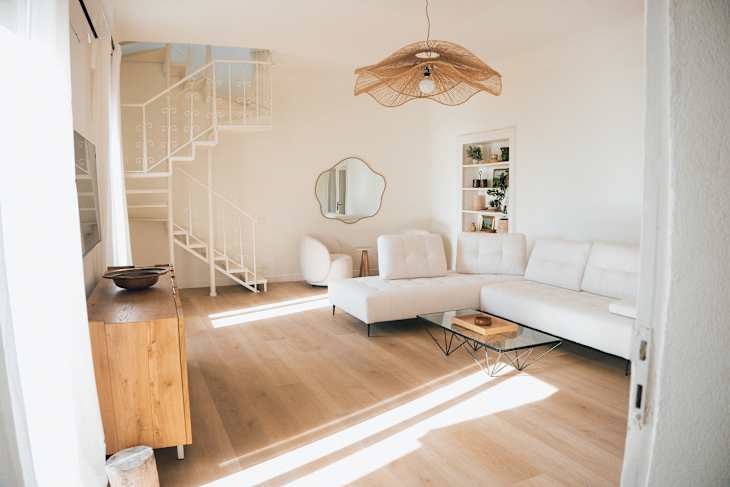
Few styles are as iconic and immediately recognizable as coastal design. This light and breezy aesthetic instantly evokes the feeling you get in a seaside setting, whether you’re living in a beach cottage or a small apartment in midtown Manhattan — and that’s exactly the point. Inspired by sprawling coastlines, this design style is traditionally defined by light colors, fabrics, and natural materials. It’s effortlessly relaxed, yet sophisticated; airy, yet grounded; and timeless, yet ever-evolving.
Interior designers often tap into this buzzy style profile to mirror some of the benefits of biophilic design, or the practice of featuring outdoor, natural elements in the home. Some of that work may be literal (with the addition of items like shells and other nautical details), and some may focus on more abstract details, including color, texture, and upholstery choices.
So what’s the key to nailing this refined seaside style? I spoke with leading interior designers specializing in coastal design, and they detailed everything we need to know about this iconic style (including what to do if you love the look but don’t live near the coast!). Read on for their top tips and expert insights.

What Exactly Is Coastal Design?
As its name suggests, coastal design draws its inspiration from the sea, sky, and sand of the sprawling North American coastlines. Originating on the East Coast in the 19th century and popularized by the Hamptons beach homes, this time-tested design style has evolved, but at its core it’s defined by a few key elements. These include the following:
- A color palette of light neutrals and soft blues.
- Natural, seaside-inspired textures including woven rattan, jute, wood, greenery, and more.
- Light, airy fabrics like linen, washed cotton, and sheer drapery.
- A careful balance between casual and refined, relaxed and sophisticated.
- The minimalist, less-is-more approach to decor.
- A space that feels personal and collected.
“The design elements come together in a way that feels effortless, like you can curl your feet up on the sofa with a good book after an afternoon in the sun. It isn’t fussy, and should feel like it evolved over generations,” explains Alex Kinion, founder and principal designer of design studio Grounded Homes, based in Orange County, California.
These pillars of the style might be what make it so recognizable, but designers agree that the key to keeping coastal design feeling relevant rather than repetitive lies in its flexibility and adaptability. Crafting a coastal space that reflects your area and lifestyle helps it feel authentic and lived-in, rather than staged. After all, every coast looks different!
“Coastal style is a genre that can be seasoned with different ‘core’ styles. You can do traditional coastal, transitional coastal, even modern luxe coastal,” says Stephanie Douglas, an interior designer at J.Banks Design, an international design firm based in South Carolina. “It’s marked more by a feeling than a sense of place. We believe coastal design must be anchored in the specific space where this project is located and in the homeowner’s identity.”
As such, it’s common for spaces designed in the coastal style to vary greatly depending on where they’re located. For example, East Coast homes may reflect a more traditional coastal look, while homes in the South may adopt a local tropical flair. Despite these regional differences, coastal design stands apart from other similar aquatic-inspired design styles, such as nautical design or lakehouse design.

Coastal Design vs. Nautical Design
Where coastal design is light, airy, and inspired by the natural landscape of the sea and sand, nautical design is more inspired by coastal sailing, sea navigation, and other nautical lifestyles, says Kinion.
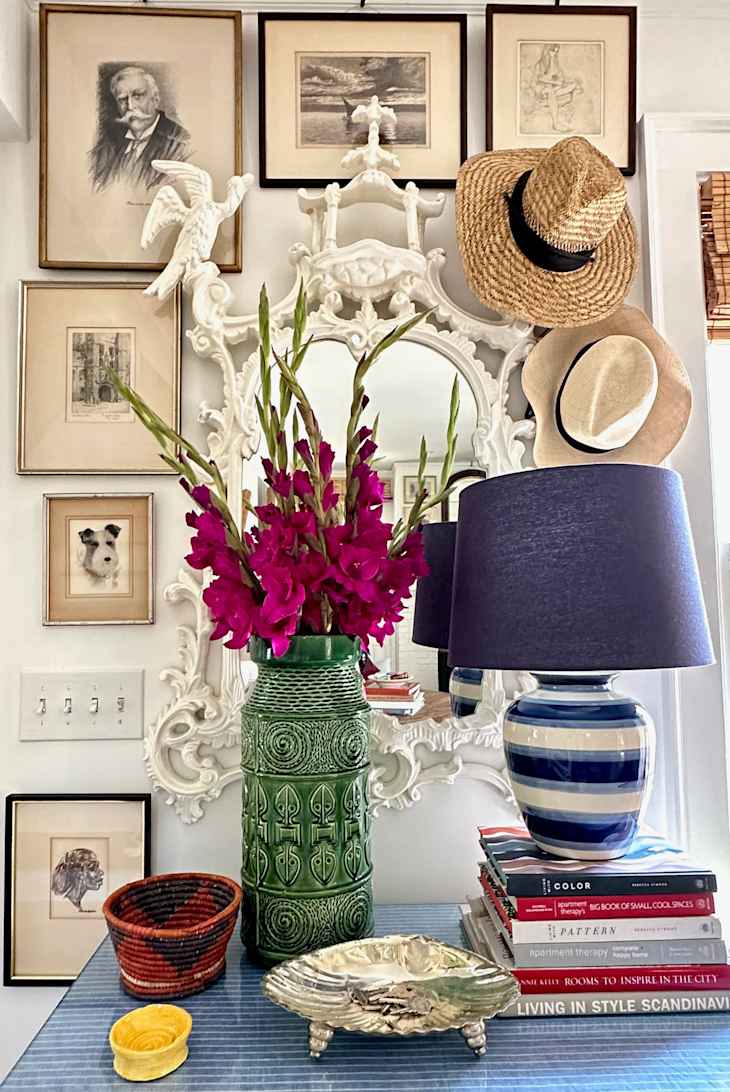
Nautical design is typically defined by darker blues, starker whites, and darker, more weathered materials, alongside maritime motifs such as anchors, ship wheels, portholes, and sea life. Think of it as a style defined more by a hardworking “life at sea” mentality versus the casual-yet-sophisticated “life by the coast” look.
Coastal Design vs. Lakehouse Design
Coastal design and lakehouse design are similar in approach, but different in outcome. Both are inspired by their namesake aquatic landscapes, but the similarities end there.
In coastal design, you’ll find sand-toned neutrals, airy fabrics, and other soft, natural colors and textures. In comparison, Kinion notes that lakehouse-inspired spaces feel warmer, cozier, and typically more rustic, often dominated by features steeped in wood, stone, and heavy fabrics.

Can Coastal Design Work if You Don’t Live on the Coast?
Naturally, coastal design is well-suited to spaces situated on the coast, regardless of which coast that is. But designers assured me that this versatile design style can work well regardless of your location.
“I believe it’s a state of mind that can be incorporated anywhere,” explains Kinion. “I would take a more abstract approach and ditch the beach glass or whale motifs as you move inland, but you can certainly still incorporate the color palette and textures to give any space a coastal feel.”
The key is infusing your own flair and personality into your coastal space, whether that’s through a unique color palette or a regional adaptation of the traditional look. The most important thing, Kinion says, is to have fun with it!
5 Tips for Embracing Coastal Design in Your Home
On that note, I asked designers for their best tips on embracing coastal design at home, and their answers were surprisingly unanimous. First and foremost, they emphasized the importance of texture in this design style.
“The easiest way to bring a coastal feel to your own home is through texture. A linen sofa, a jute rug, and light sheer drapes that blow in the wind all have that feeling of coastal retreat, without being too on-the-nose,” says Kinion.
Stick to natural grassy materials, airy fabrics, light wood tones, and other breezy materials to nail the look. Avoid heavy fabrics and textures like velvet, bouclé, or any materials that don’t age well in the salt air.
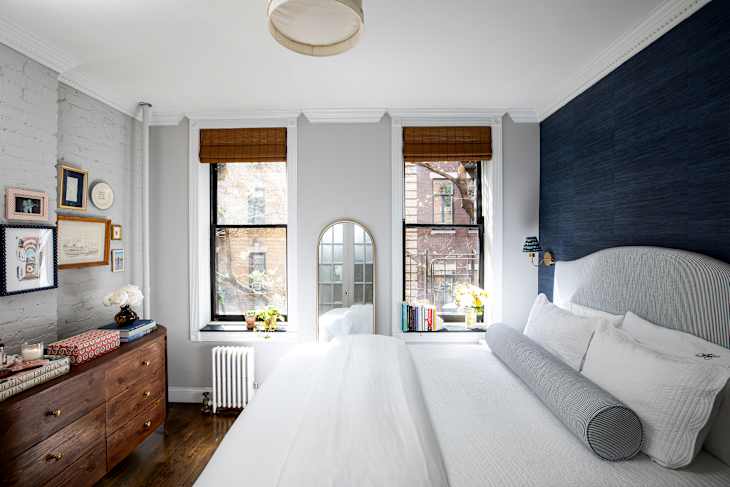
Speaking of being on-the-nose, Kinion and Douglas agreed that overly literal motifs should be avoided, unless they feel genuine to your experience. The jar of seashells available at your favorite retailer? That’s a no. The jar of collected seashells and beach treasures you have carefully collected over the years? That’s a yes — those should absolutely be displayed with pride.
Done right, coastal design feels collected and personal, so avoid gimmicky maritime decor and focus on filling the space with things that feel meaningful and reflect the unique beauty of where you are, Douglas says.
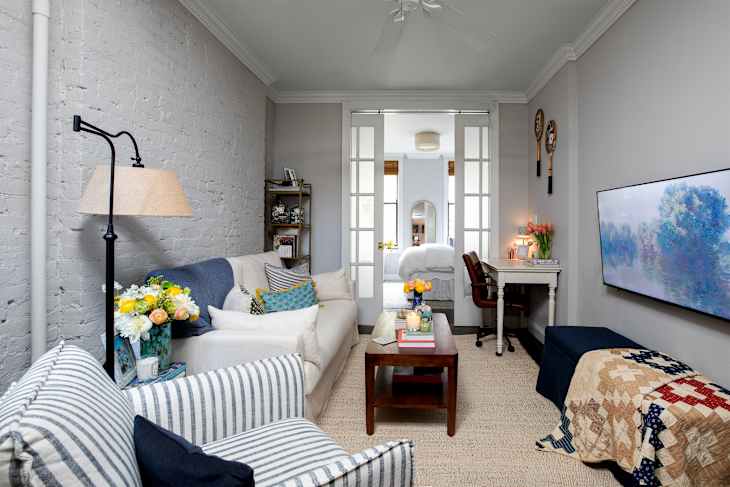
Lastly, don’t be afraid to play with the traditional coastal color palette. Douglas emphasizes that blues, whites, and sandy beiges aren’t the only way to capture the coastal aesthetic in your home. Get inspired by your surroundings and have fun adding colors that make the space feel interesting and regionally specific.
“For example, in more lush marshy places, green hues can really pull you into the surroundings. Red can be a great accent for ‘preppier’ places, such as coastal New England. Sunset hues and pops of color can also be coastal!” she says.
Ultimately, coastal design should capture the feeling of the coast — relaxed, serene, and effortlessly refined — through the use of considered texture, color, and carefully chosen materials, no matter where you live.
Design Defined
Never miss the style inspo and recommendations you crave with Design Defined. Follow along each week as our Home Director Danielle shares the best style advice, latest trends, and popular decor finds you just can't miss.